
Fuel-Saving Driving Techniques That Actually Work

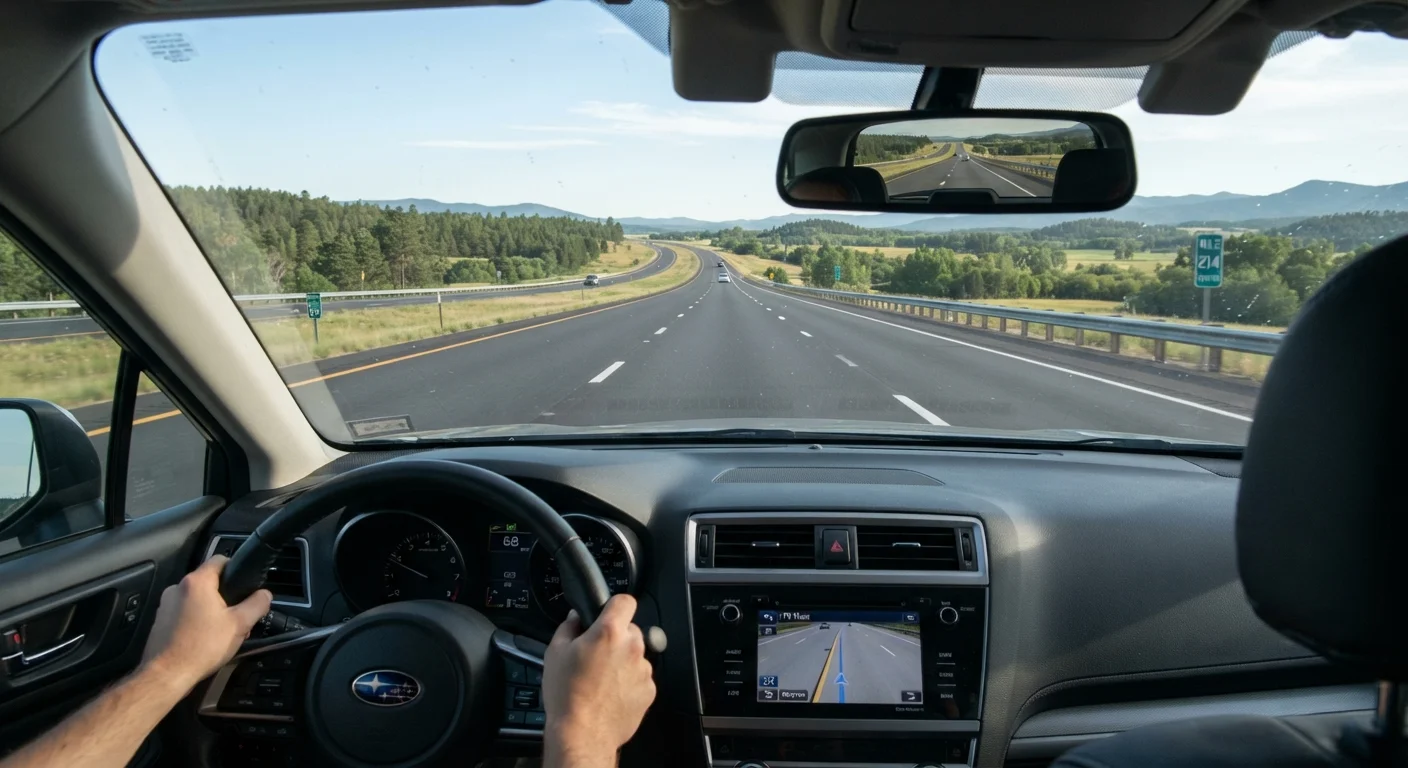
Photo: usewiseguide.com editorial
Key Takeaways
- Smooth, gradual acceleration can improve fuel economy by a measurable margin compared to aggressive driving.
- Anticipating traffic and coasting to stops reduces the energy wasted in hard braking.
- Maintaining highway speeds with cruise control helps avoid the fuel cost of constant speed corrections.
- Route planning to avoid idling and cold short trips compounds fuel savings over weeks and months.
- These techniques work on any fuel type, including hybrid and conventional gasoline vehicles.
Why driving behavior affects fuel costs more than most drivers expect
The window sticker mpg on a new vehicle is tested under controlled conditions that rarely match real-world driving. Aggressive acceleration, high-speed highway cruising, and frequent short cold trips can push actual fuel economy 20 to 30 percent below the EPA estimate. That gap is not fixed by the car; it is largely created by the driver.
Fuel is one of the largest ongoing costs of vehicle ownership, and unlike insurance or depreciation, it responds directly to daily behavior. The full spectrum of auto ownership costs covers many levers, but driving technique is one of the few that costs nothing to change.
What you will need
The steps below address the specific behaviors with the largest documented effect on fuel consumption. Each one can be applied immediately, without modifications to the vehicle.
How to drive for better fuel economy
Accelerate gradually from stops
When a light turns green or traffic begins moving, press the accelerator steadily rather than pushing it to the floor. Rapid acceleration forces the engine to inject more fuel than it needs for typical driving. A smooth 0-to-30 mph take about 5 seconds instead of 2 uses significantly less fuel for the same outcome.
On highway on-ramps, build speed progressively. You still need to reach a safe merging speed, so do not hold up traffic, but avoid flooring the pedal if road and traffic conditions allow a gentler ramp-up.
Read traffic ahead and coast to slow down
Look 10 to 15 seconds ahead rather than reacting only to the car directly in front. When you see a red light, a slowing merge, or a stop sign approaching, lift your foot off the accelerator early and let the vehicle decelerate naturally. In modern fuel-injected engines, coasting in gear with your foot off the gas cuts fuel delivery to near zero in many operating conditions.
Hard braking converts kinetic energy into heat and wastes the fuel already burned to build that speed. Coasting recaptures some of that momentum and reduces brake wear at the same time.
Use cruise control on steady highway stretches
Human drivers unconsciously vary their speed by 3 to 5 mph on the highway, repeatedly accelerating and decelerating. Cruise control holds a steady speed, which eliminates those small fuel-wasting corrections. Set it to a speed consistent with posted limits and surrounding traffic flow.
Cruise control is less useful in hilly terrain where it may hold speed by downshifting aggressively on grades. In those conditions, manual throttle modulation is often more efficient.
Reduce highway speed where safely possible
Aerodynamic drag increases with the square of vehicle speed. Driving at 70 mph instead of 80 mph on an open highway can reduce drag-related fuel consumption noticeably. The EPA estimates fuel economy drops roughly 7 to 14 percent for each 5 mph over 50 mph, though actual figures vary by vehicle shape and weight.
This does not mean driving below posted minimums or impeding traffic. On roads where 65 or 70 mph is both legal and safe, holding that speed rather than creeping to 80 or 85 mph has a real fuel cost impact over a year of driving.
Minimize idling and consolidate short trips
An idling engine burns fuel and moves the vehicle nowhere. Modern fuel-injected engines do not need extended warm-up time in cold weather; 30 to 60 seconds is generally sufficient before gentle driving. Sitting in a drive-through or warming up for 10 minutes costs measurable fuel with zero miles gained.
Short cold trips are also disproportionately expensive. A cold engine runs richer (uses more fuel) until it reaches operating temperature, so five separate 2-mile errands cost more fuel than one 10-mile loop covering the same stops. Batching errands into a single route reduces both fuel use and cold-start wear.
Choose routes with fewer forced stops
A route with four traffic signals and two stop signs costs more fuel than a slightly longer route on an arterial road with timed lights or fewer interruptions. Navigation apps that show live traffic can help avoid congestion that would trap you in stop-and-go cycles.
This matters most for daily commutes. Even a 2-minute-longer route that avoids a notoriously congested intersection can reduce total fuel consumption over hundreds of commuting days. See the comprehensive guide to reducing auto ownership costs for how driving habits fit into the broader picture of what a vehicle truly costs.
Pair technique with maintenance
This article provides general information about driving habits and fuel economy. It is not a substitute for guidance in your vehicle's owner's manual or advice from a qualified mechanic.
Common mistakes that cancel out good technique
Driving technique gains are easy to undermine. Carrying unnecessary weight is one example: an extra 100 pounds in a vehicle reduces fuel economy by roughly 1 percent according to the U.S. Department of Energy, and many drivers habitually haul gear they never use. Roof racks and cargo carriers also add aerodynamic drag even when empty; removing them when not in use helps.
Tire pressure is another frequent culprit. Tires that are 10 psi low can reduce fuel economy by roughly 0.2 percent per psi, per the same source. That adds up quickly across four tires. The most common reasons gas mileage falls short covers these mechanical factors in detail.
These are general education tips, not guarantees
Some drivers also hold misconceptions about what saves fuel. Widely held beliefs about fuel use that are simply wrong can cost real money when acted on, including assumptions about engine warm-up, premium fuel, and coasting in neutral.
The content provided on our blog site traverses numerous categories, offering readers valuable and practical information. Readers can use the editorial team’s research and data to gain more insights into their topics of interest. However, they are requested not to treat the articles as conclusive. The website team cannot be held responsible for differences in data or inaccuracies found across other platforms. Please also note that the site might also miss out on various schemes and offers available that the readers may find more beneficial than the ones we cover.