
Budget Beauty

Haircare Habits That Save Money Over Time

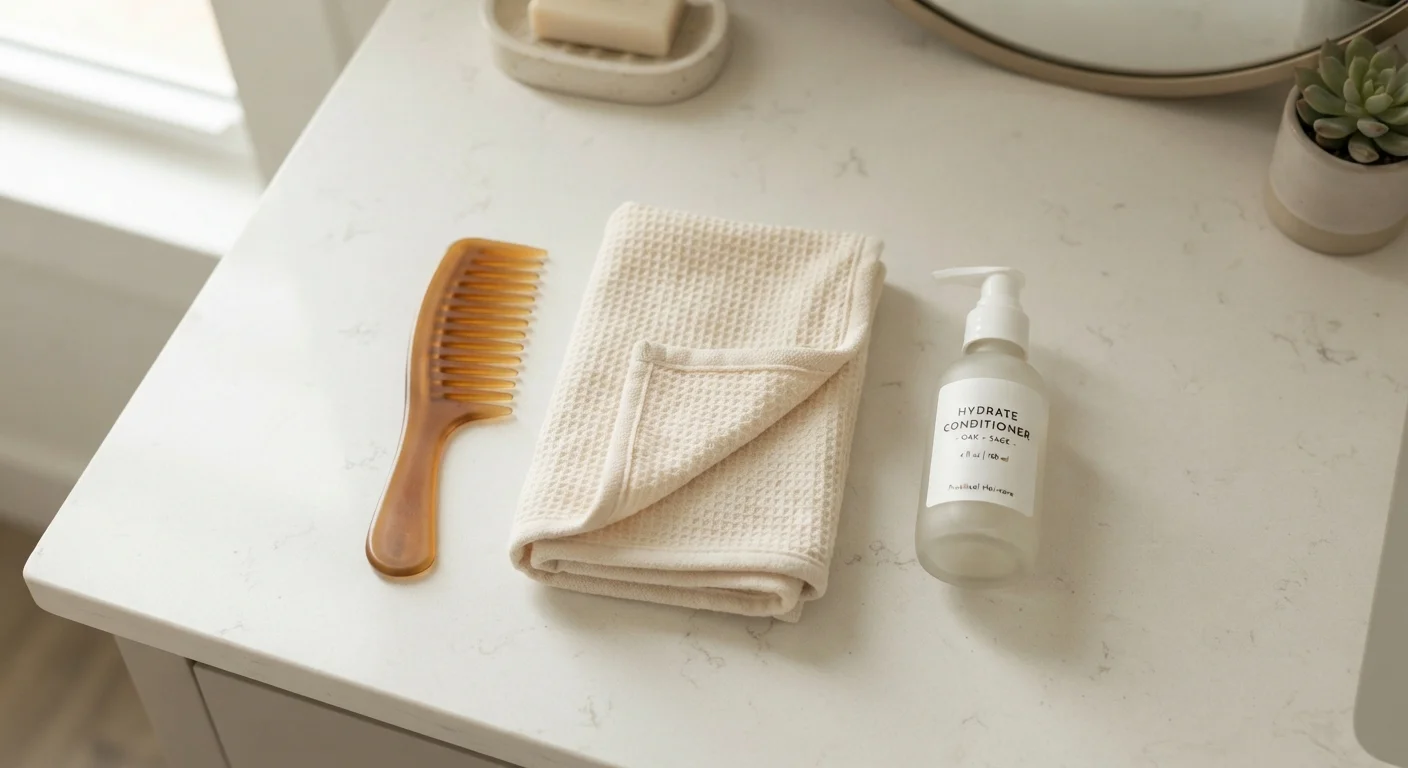
Haircare Habits That Save Money Over Time

Photo: usewiseguide.com editorial

Small adjustments to how you wash, dry, and style your hair can add up to significant savings each year. Here are the habits worth adopting.

Key Takeaways

  • Washing hair less frequently reduces product use and can improve scalp health over time.
  • Heat styling at lower temperatures causes less damage, which means fewer repair products needed.
  • Diluting shampoo and using conditioner only on ends extends product life without sacrificing results.
  • Protective styles and air drying reduce tool wear and electricity use.
  • A simple routine audit can reveal duplicate products that add cost without adding benefit.

Why habits matter more than products

The haircare industry runs on the idea that a new product will solve whatever problem your current product created. In many cases, the problem is not the product itself but how hair is being treated before, during, and after washing. Damage that comes from daily heat use, rough towel drying, or over-washing generates a steady demand for corrective products. Changing those underlying habits reduces both the damage and the spending that follows it.

This is the same principle that applies to other household budgets. Just as small behavioral shifts can lower utility bills without replacing appliances, small adjustments to a haircare routine reduce costs without giving up the results you want.

Make one change at a time

Changing your wash frequency, styling temperature, and product routine all at once makes it hard to know what is working. Pick one habit, stick with it for three to four weeks, then add the next. This also prevents the mistake of buying new products to troubleshoot a transition period that would have resolved on its own.

Core habits that reduce product consumption

Most of the money spent on haircare goes toward products used too frequently, applied incorrectly, or purchased to fix damage caused by the routine itself. The practices below address each of those patterns.

1

Wash your hair less often by gradually stretching the time between washes

Frequent washing strips natural oils, which pushes the scalp to overproduce oil, creating a cycle that feels like it demands daily washing. Spacing washes out reduces shampoo consumption and often improves scalp balance within a few weeks.
Example: Someone who washes daily can try adding one extra day between washes each week, using dry shampoo on the added day, until washing every two to three days feels normal.
2

Apply conditioner only from the mid-shaft to the ends, not the scalp

Conditioner applied to the scalp adds no benefit there and can cause buildup that leads to more frequent washing and more product use. Using it only where hair is older and drier means a bottle lasts noticeably longer.
Example: A standard 12-ounce bottle of conditioner used on the full head might last three weeks; used mid-shaft to ends only, the same bottle can last five to six weeks.
3

Lower the temperature on your heat tools and always use a heat protectant

High heat causes protein damage and breakage, which leads to split ends that require trims more often and to spending on bond-repair treatments. Most styling goals are achievable at 300 to 380 degrees Fahrenheit rather than the maximum setting.
Example: Switching a flat iron from 450 to 350 degrees reduces cuticle damage over time, which means less money spent on deep-conditioning treatments to address brittleness.
4

Air dry instead of blow drying whenever your schedule allows

Blow dryers use significant electricity and accelerate mechanical and thermal damage when used daily. Even cutting blow dryer use to three times a week instead of daily can reduce tool wear and lower energy use.
Example: Washing hair at night and letting it air dry while sleeping is a zero-effort approach that requires no scheduling change for most people.
5

Audit your current product shelf and eliminate duplicates

Many households accumulate multiple products that do the same job, such as two moisturizing masks or several leave-in sprays. Finishing what is on hand before buying anything new prevents waste and reveals the minimum set of products that actually work.
Example: A shelf audit that consolidates four styling products down to two can save $40 to $80 per year depending on the product types involved, without changing the final result.
6

Protect hair at night with a satin or silk pillowcase or a loose protective style

Cotton pillowcases create friction that roughens the hair cuticle, causing breakage and frizz that then require more product to manage. Reducing overnight damage means less reliance on smoothing serums and repair treatments.
Example: Switching to a satin pillowcase, which is widely available at low price points, is a one-time purchase that reduces ongoing product spending for many hair types.

Hair type affects how quickly habits pay off

Fine, oily hair and thick, dry hair respond differently to changes in wash frequency and conditioning habits. What works well for one person may need adjustment for another. Give any new habit at least three to four weeks before deciding whether it is working for your hair type.

Where to start if your current routine feels overwhelming

A full routine overhaul rarely sticks. The more practical approach is a shelf audit, which the Stretching Your Haircare Budget audit walks through in detail. Start by listing every product you use and how often. From there, identify which ones overlap in function and which ones you reach for out of habit rather than need.

If you are curious whether any pantry staples could replace a purchased product, the evidence on kitchen ingredients as beauty treatments is worth reviewing before experimenting. Some have real support; others do not.

high Count how many haircare products you currently own and check for exact duplicates you can finish before rebuying.
medium Reduce your heat tool temperature by 50 degrees on your next use and note whether the result is similar.
high Try washing your hair one day less this week and use a dry shampoo or style your hair up on the added day.

Haircare savings work the same way as other household savings: they accumulate through consistent, repeated choices rather than one large swap. The same logic that applies to building a family savings system applies here. Identify the habits with the highest impact, build them into your existing routine, and let the savings follow.

Budget Beauty Editorial Team

usewiseguide.com

Budget Beauty Editorial Team is the collective byline for our editorial team and contributor network. Articles published under this byline or an editorial pen name are researched, written, and reviewed according to our editorial standards for clarity, consistency, and independence before publication.

Budget Beauty
View author profile

The content provided on our blog site traverses numerous categories, offering readers valuable and practical information. Readers can use the editorial team’s research and data to gain more insights into their topics of interest. However, they are requested not to treat the articles as conclusive. The website team cannot be held responsible for differences in data or inaccuracies found across other platforms. Please also note that the site might also miss out on various schemes and offers available that the readers may find more beneficial than the ones we cover.