
Building a Morning Skincare Routine Without Spending a Fortune

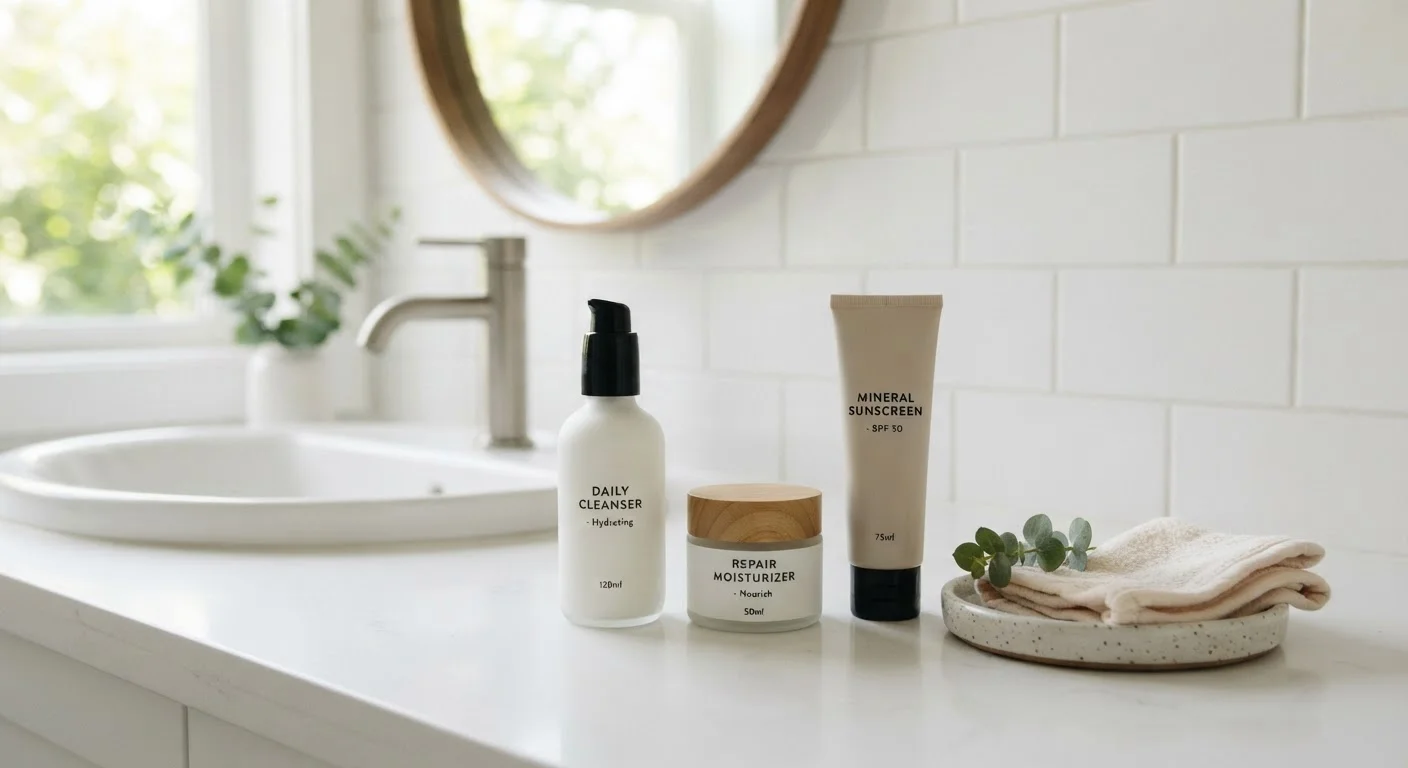
Photo: usewiseguide.com editorial
Key Takeaways
- A functional morning routine needs only three steps: cleanse, moisturize, and apply SPF.
- Affordable drugstore formulas can deliver the same core ingredients as prestige products.
- Layering products in the right order protects your skin barrier and stretches each product further.
- Skipping SPF daily is one of the most common habits that leads to higher skincare costs later.
- Buying fewer products used consistently outperforms buying many products used sporadically.
Why three steps is enough in the morning
A morning skincare routine does not need to be complicated to work. The core job is simple: remove overnight buildup, restore a bit of hydration, and protect skin from UV exposure before you walk out the door. Those three functions map directly to three product categories: cleanser, moisturizer, and broad-spectrum SPF.
Every additional product you add to that list costs money and requires a decision about compatibility. Some actives (like certain acids or retinoids) are better saved for nighttime anyway. Keeping the morning routine lean reduces both spending and the risk of irritation. For a broader look at where routine complexity can quietly add up, see common skincare mistakes that cost more over time.
The goal here is a routine you can sustain every single day. Consistency with simple products does more for skin health than occasional use of expensive ones.
What to look for in each product category
Cleanser: For morning use, a gentle, low-lather cleanser is usually sufficient because skin has not been exposed to pollution, sweat, or makeup overnight. Look for labels that say "gentle," "hydrating," or "for sensitive skin." Foaming cleansers that strip the skin can damage the moisture barrier, which leads to more product use to compensate.
Moisturizer: The ingredient list matters more than the price. Humectants like glycerin and hyaluronic acid draw moisture to the skin. Occlusives like petrolatum and dimethicone seal it in. A moisturizer with at least one of each type will cover the basics. Fragrance-free formulas tend to be less irritating and are widely available at drugstores.
SPF: Broad-spectrum SPF 30 or higher is the standard dermatologists generally recommend for daily use. Mineral formulas (zinc oxide or titanium dioxide) and chemical formulas both work; the best one is the one you will actually apply. Many moisturizers now include SPF, which can reduce the number of products and the total cost. For more detail on reading sunscreen labels and understanding what the numbers mean, see sunscreen formulas and SPF label guidance.
Fragrance-free is a practical default
How to build the routine step by step
Rinse or cleanse gently
Splash your face with lukewarm water, or use a small amount of gentle cleanser if your skin feels oily overnight. Massage lightly for about 20 to 30 seconds, then rinse thoroughly. Pat dry with a clean towel rather than rubbing.
Apply moisturizer while skin is still slightly damp
Dispense a pea-sized to dime-sized amount depending on your skin type and the product consistency. Apply to your face and neck using upward strokes. Allow 30 to 60 seconds for it to absorb before the next step.
Apply broad-spectrum SPF 30 or higher
Use about a nickel-sized amount for the face and a little more if applying to the neck and ears. Apply as the final step, after moisturizer has absorbed. Most sunscreens need about 15 minutes to be fully effective, so apply before heading outside.
Once the routine is in place, a few habits help each product go further. Using a pea-sized amount of cleanser is typically enough for a morning wash. Applying moisturizer to slightly damp skin helps humectants work more effectively. And SPF should be the last step, applied generously to the face and neck.
If your budget allows only one upgrade at a time, make it SPF. Consistent daily sun protection is one of the most cost-effective ways to maintain skin health long-term, since UV damage accumulates and can drive later spending on corrective products. See where a beauty routine actually costs the most for context on how skincare fits into overall beauty spending.
Making the budget work at the store
Store-brand and generic formulas at retailers like Target, Walmart, and CVS frequently share active ingredients with higher-priced products. Comparing ingredient lists rather than brand names is a practical way to identify equivalent options at lower price points.
Buying larger sizes of products you have already tested often brings the per-use cost down. Travel sizes, however, are useful for testing a new cleanser or moisturizer before committing to a full bottle, which can prevent waste from products that do not suit your skin.
If you are also reviewing spending in other parts of your routine, a haircare budget audit uses a similar approach of identifying what is actually being used versus what is just taking up shelf space. The same logic applies to skincare.
This article is for informational purposes only and does not constitute medical or dermatological advice. Consult a qualified healthcare professional or dermatologist if you have skin concerns or conditions.
The content provided on our blog site traverses numerous categories, offering readers valuable and practical information. Readers can use the editorial team’s research and data to gain more insights into their topics of interest. However, they are requested not to treat the articles as conclusive. The website team cannot be held responsible for differences in data or inaccuracies found across other platforms. Please also note that the site might also miss out on various schemes and offers available that the readers may find more beneficial than the ones we cover.