
Sunscreen on a Budget: Understanding SPF, Formulas, and What to Look For on Labels

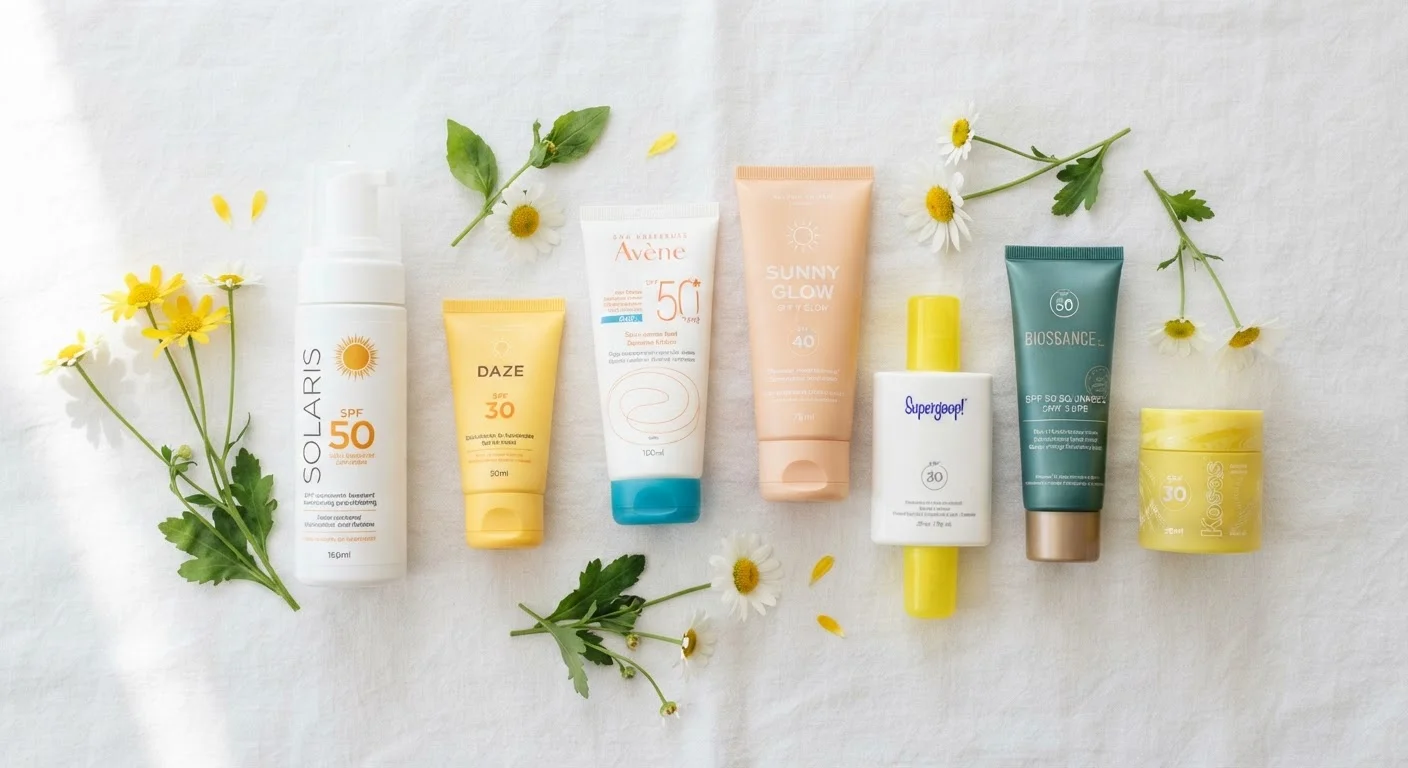
Photo: usewiseguide.com editorial
Key Takeaways
- SPF 30 blocks about 97% of UVB rays; going higher gives diminishing returns.
- Broad-spectrum labeling is required by the FDA and signals UVA protection too.
- Mineral and chemical sunscreens both work when applied correctly and in sufficient quantity.
- Price does not determine sun protection effectiveness; the active ingredients do.
- Skipping SPF regularly is one of the skincare mistakes most likely to increase long-term costs.
What SPF numbers actually mean
SPF stands for Sun Protection Factor, and the number tells you how much longer skin takes to redden from UVB rays when the product is applied correctly, compared to unprotected skin. SPF 30 means it would theoretically take 30 times longer to burn.
Translated into percentages: SPF 15 blocks about 93% of UVB rays, SPF 30 blocks roughly 97%, and SPF 50 blocks about 98%. The gap between 30 and 50 is real but small. What matters far more is whether you apply enough product and reapply after swimming, sweating, or two hours outdoors.
SPF only measures UVB protection. That is why the second thing to look for on a label, broad-spectrum coverage, is just as important. Skipping SPF entirely is one of the skincare mistakes that cost more over time, since UV damage can lead to spending more on corrective treatments later.
Mineral vs. chemical sunscreens: a plain comparison
Sunscreens fall into two categories based on their active ingredients.
Mineral sunscreens use zinc oxide, titanium dioxide, or both. These ingredients sit on the surface of skin and physically scatter UV rays. They tend to leave a white cast, though newer formulations have reduced this significantly. Mineral formulas are often recommended for people with sensitive or acne-prone skin.
Chemical sunscreens use organic (carbon-based) compounds such as avobenzone, oxybenzone, or octinoxate. These absorb UV energy and convert it to heat. They tend to feel lighter and blend invisibly, which many people prefer for everyday wear under makeup.
Both types can be effective at any price point. The FDA regulates both categories, so the active ingredients listed on a drugstore bottle perform the same protective function as those in a higher-priced product. For more on how formulation differences play out across price tiers in beauty products, see why affordable products sometimes perform differently.
SPF (Sun Protection Factor)
A number that measures how much longer skin takes to redden from UVB rays with sunscreen applied versus without it. Higher numbers block a slightly greater percentage of UVB rays.
Broad spectrum
An FDA label term indicating a sunscreen has passed testing for both UVA and UVB protection. UVA rays are associated with deeper skin damage; UVB rays are the primary cause of sunburn.
Zinc oxide
A mineral active ingredient that sits on the skin's surface and scatters UV rays. It is used in mineral sunscreens and is generally considered non-irritating.
Avobenzone
A chemical active ingredient that absorbs UVA rays and converts them to heat. It is one of the most common UVA filters in US chemical sunscreens.
Water resistant (40 or 80 minutes)
An FDA-regulated claim stating how long a sunscreen maintains its SPF level during water exposure. No sunscreen is fully waterproof; reapplication is always required.
Drug Facts box
A standardized label panel required on all US sunscreens because they are classified as over-the-counter drugs. It lists active ingredients, usage directions, and warnings in a consistent format.
How to read a sunscreen label
The FDA regulates sunscreen as an over-the-counter drug in the US, so labels follow a standardized format. Here is what each part tells you.
- Drug Facts box: Required on all US sunscreens. Lists active ingredients and their percentages, directions, and warnings.
- Broad spectrum: Indicates the product has passed FDA testing for UVA protection in addition to UVB.
- Water resistant (40 minutes) or (80 minutes): The only two time claims the FDA permits. No sunscreen is waterproof; reapplication after water exposure is always needed.
- Inactive ingredients: Includes the base formula, preservatives, and skin-feel additives. Reading this list is useful if you have known sensitivities to fragrances or specific preservatives.
Reading ingredient lists on sunscreen follows a similar logic to reading them on food packaging. The practical label-reading primer for grocery shoppers covers the general skill of interpreting standardized label formats, which transfers well here.
Formula types and who they suit
Beyond mineral or chemical, sunscreens come in several physical formats, and picking the right one increases the chance you will actually use it daily.
- Lotions: The most common format. Good for full-body application and easy to spread evenly.
- Gels: Lightweight and fast-drying. Popular for oily skin and scalp application, though some alcohol-based gels can feel drying.
- Sticks: Convenient for face, ears, and hard-to-reach spots. Useful for reapplication on the go, but coverage can be uneven if not applied with enough passes.
- Sprays: Fast to apply, but the FDA recommends rubbing them in after spraying to ensure even coverage. Avoid inhaling sprays.
- Tinted formulas: Contain iron oxides that add visible light and HEV (high-energy visible) protection alongside UV protection. Can replace or supplement foundation for lighter coverage days.
Sunscreen fits naturally into a morning routine after moisturizer and before any makeup. See how to build a morning skincare routine on a budget for guidance on layering these steps.
Common label claims worth skipping over
Some marketing phrases on sunscreen packaging carry no regulatory definition and do not change what the product does.
- "Anti-aging" or "prevents wrinkles": Any broad-spectrum sunscreen that reduces UV exposure may help reduce photoaging over time, but this is a feature of UV protection itself, not a separate ingredient.
- "Natural" or "clean": Neither term has an FDA definition for sunscreen. A product labeled natural can still contain synthetic preservatives or fragrance.
- "Dermatologist tested": This phrase does not mean a dermatologist endorsed the product, only that testing involved one at some point. It carries no standardized requirement.
- "Reef-safe": Not a regulated claim in the US at the federal level. Some states have specific ingredient restrictions, but the label alone does not confirm compliance with any particular standard.
Focusing on the Drug Facts box and ignoring front-panel marketing language is the most reliable way to evaluate any sunscreen, regardless of price. This approach to cutting through label noise also applies when deciding where to cut back on a makeup routine without losing results.
This article is for general informational purposes only and is not medical advice. For concerns about skin conditions or specific ingredient sensitivities, consult a qualified dermatologist or healthcare provider.
Frequently Asked Questions
The content provided on our blog site traverses numerous categories, offering readers valuable and practical information. Readers can use the editorial team’s research and data to gain more insights into their topics of interest. However, they are requested not to treat the articles as conclusive. The website team cannot be held responsible for differences in data or inaccuracies found across other platforms. Please also note that the site might also miss out on various schemes and offers available that the readers may find more beneficial than the ones we cover.