
Reading Nutrition Labels: A Practical Primer for Grocery Shoppers

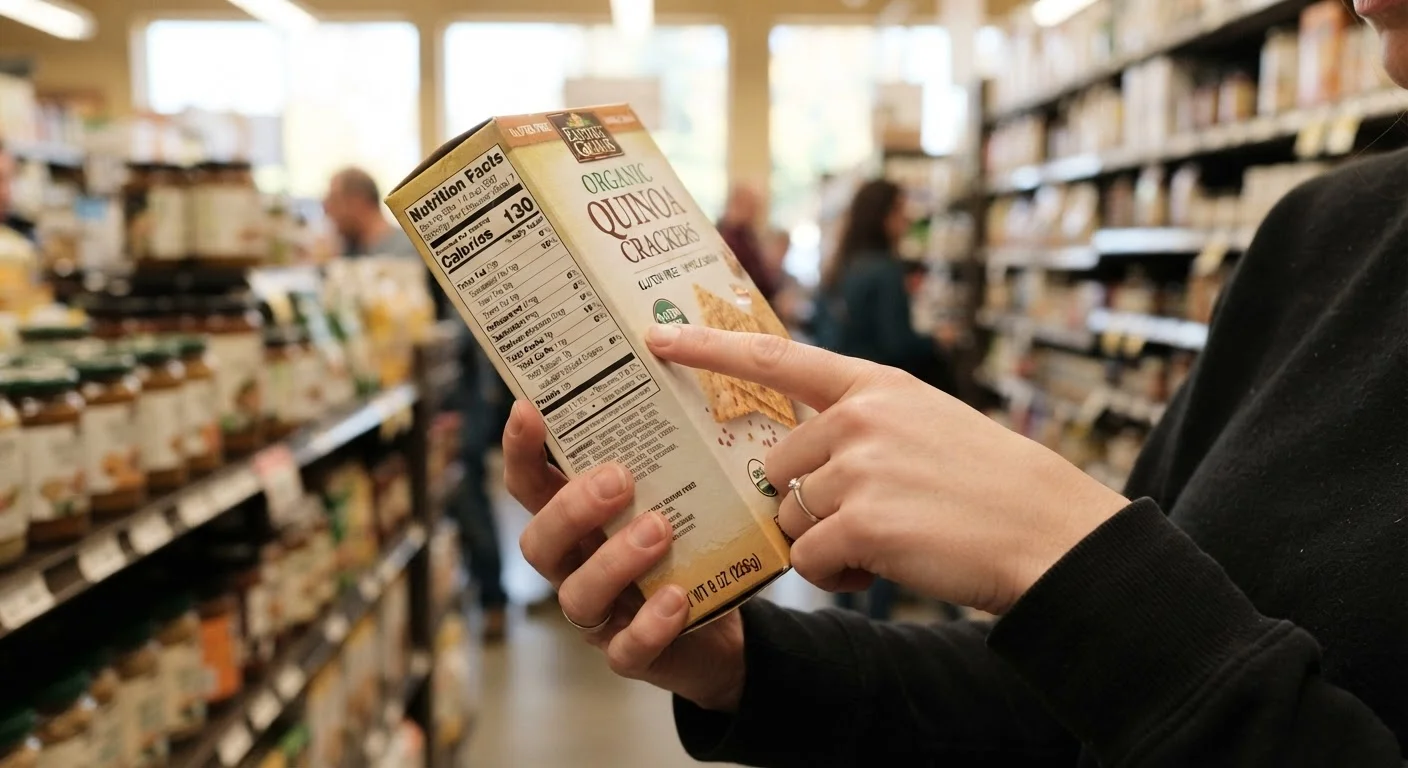
Photo: usewiseguide.com editorial
Key Takeaways
- Serving size controls every number on the label, so check it before comparing products.
- The % Daily Value tells you whether a nutrient amount is relatively high or low for a full day's diet.
- Added sugars appear as a separate line from total sugars, making it easier to spot sweetened products.
- Ingredients are listed by weight, so the first few items make up most of what you are eating.
- A shorter ingredient list does not automatically mean a healthier product; context matters.
- Reading labels consistently helps families choose nutritious foods without spending more.
Why the label matters before the price tag
Most shoppers scan the front of a package, check the price, and move on. Front-of-package claims like 'natural,' 'multigrain,' or 'low-fat' are marketing language with no standardized nutritional meaning. The Nutrition Facts panel on the back or side is the regulated, consistent source of information.
Spending thirty seconds on the label before choosing between two similar products can prevent both a nutritional mismatch and a wasted purchase. If a product does not deliver the nutrients a family needs, buying it cheaply is still a poor trade. Common grocery habits that inflate weekly bills often include buying products based on front-panel claims rather than actual nutritional content.
Serving size: the number that controls everything else
The serving size appears at the very top of the label and governs every figure below it. Calories, sodium, fat, sugar, and all other values apply to one stated serving, not the whole package.
The FDA updated serving sizes to match what people realistically eat. A serving of cereal is now typically 3/4 cup to 1 cup rather than the older 1/2 cup, because the earlier amount did not reflect real behavior. Still, packages can contain multiple servings. A 20-ounce soft drink bottle lists 2.5 servings; if you drink the bottle, you consume 2.5 times the labeled calorie count.
The practical check: look at the servings-per-container number alongside the serving size. For a family buying snacks in bulk, this tells you how far the package actually stretches.
Quick unit check before you compare
Calories and macronutrients at a glance
Below the serving size, calories appear in large print. This is the total energy per serving from all sources. Directly beneath that, the label breaks down fat (with saturated and trans fat listed separately), cholesterol, sodium, total carbohydrates (including dietary fiber and total sugars, with added sugars indented beneath), and protein.
A few distinctions worth knowing:
- Saturated fat and trans fat affect cardiovascular health differently from unsaturated fats. The FDA requires these to be separated so consumers can see both.
- Dietary fiber counts toward total carbohydrates but is not digested for energy; higher fiber foods tend to be more filling per calorie.
- Added sugars appear on their own line because naturally occurring sugars in fruit or dairy carry different nutritional context than sugars added during manufacturing.
Protein has no %DV on most labels because general daily targets vary too much by age, weight, and activity level for a single figure to apply broadly.
70%
Americans who check nutrition labels sometimes or always
According to FDA consumer research, a majority of Americans report using the Nutrition Facts label, though use varies by demographic and shopping context.
3,400 mg
Average daily sodium intake for U.S. adults
The Centers for Disease Control and Prevention (CDC) reports that average U.S. adult sodium consumption is roughly 3,400mg per day, well above the 2,300mg daily limit in federal dietary guidelines.
17 tsp
Average daily added sugar consumption per American
The American Heart Association notes that Americans consume an average of about 17 teaspoons of added sugar per day, more than double the recommended limit for most adults.
Using % Daily Value without a calculator
The right column lists % Daily Value (%DV) for most nutrients. This percentage is based on a 2,000-calorie daily diet, which is a reference point, not a prescription. For nutrients you generally want more of (fiber, vitamin D, calcium, iron, potassium), a higher %DV per serving is useful. For nutrients most Americans already consume in excess (sodium, saturated fat, added sugars), a lower %DV is preferable.
A simple rule from FDA guidance: 5% DV or less is low; 20% DV or more is high. A single serving of soup with 40% DV sodium is supplying nearly half a day's target in one bowl. Knowing that before buying lets a family weigh whether the product fits their usual meals.
Reading the ingredient list
Ingredients appear in descending order by weight. Whatever is listed first makes up the largest share of the product. If sugar or a sugar variant (high-fructose corn syrup, dextrose, maltose) appears in the first three ingredients of a product marketed as a 'health food,' the label is telling you something the front panel is not.
Manufacturers sometimes use multiple forms of the same ingredient to push each individual form lower on the list. Three different sugar names in positions four, seven, and nine can add up to a larger total than any single item suggests.
For families working from a stocked pantry, cross-checking ingredient lists on staples, canned goods, and condiments takes only a moment and helps avoid products that look economical but add significant sodium or sugar to regular meals.
This article is for general informational purposes only and is not medical or dietary advice. Consult a qualified healthcare professional or registered dietitian for guidance specific to your health needs or those of your family members.
Frequently Asked Questions
The content provided on our blog site traverses numerous categories, offering readers valuable and practical information. Readers can use the editorial team’s research and data to gain more insights into their topics of interest. However, they are requested not to treat the articles as conclusive. The website team cannot be held responsible for differences in data or inaccuracies found across other platforms. Please also note that the site might also miss out on various schemes and offers available that the readers may find more beneficial than the ones we cover.