
Frugal Family Living

Grocery Spending Patterns That Cost Families More Than They Realize

Grocery Spending Patterns That Cost Families More Than They Realize

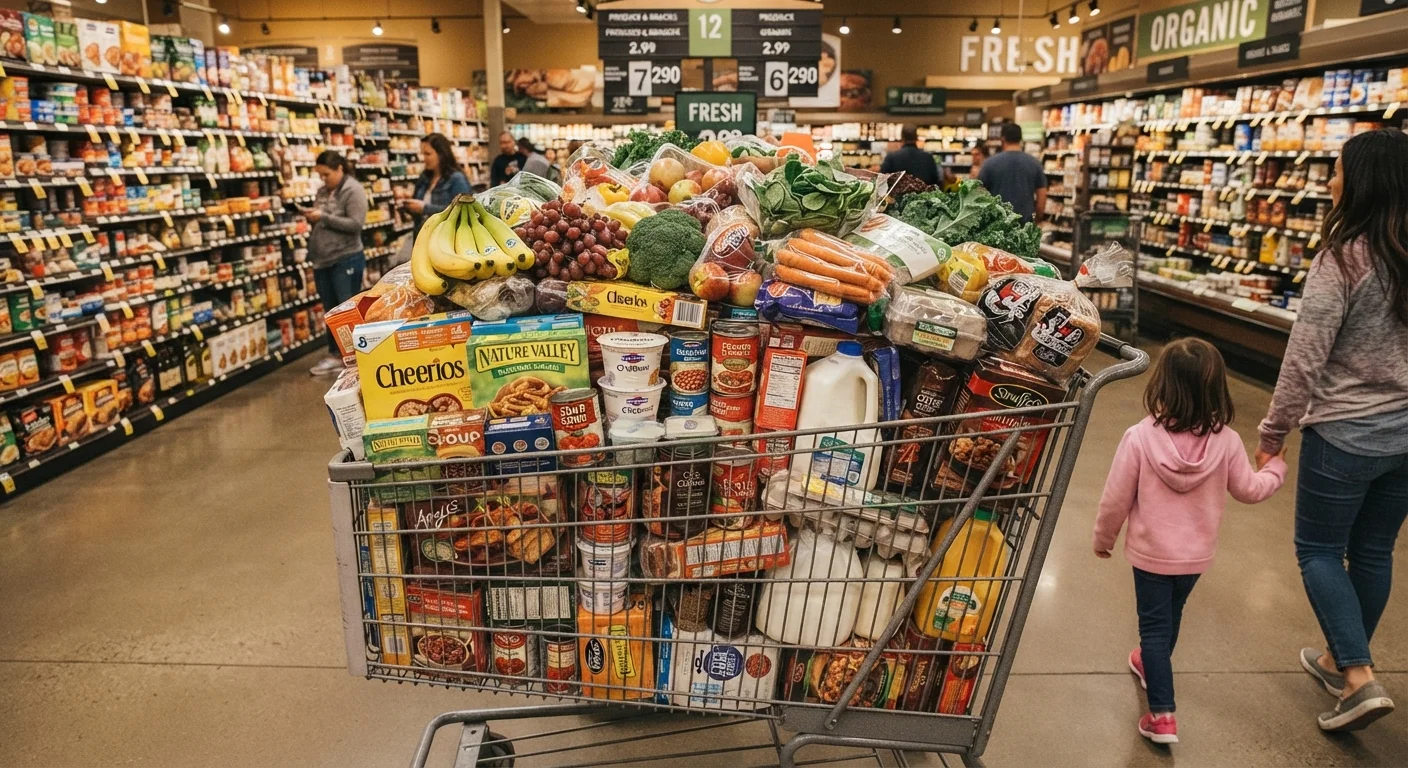
Photo: usewiseguide.com editorial

From impulse buys to poorly timed shopping trips, these common grocery habits quietly inflate the weekly bill for most American families.

Key Takeaways

  • Shopping without a list is one of the single biggest drivers of grocery overspending for families.
  • Hunger, fatigue, and store layout all push shoppers toward higher-cost choices they would not make otherwise.
  • Bulk buying saves money only when families actually use what they purchase before it expires.
  • Checking the pantry before shopping prevents duplicate purchases that quietly inflate the weekly bill.
  • Sale prices can encourage overspending if shoppers buy items they would not have chosen at full price.

Why grocery habits are hard to see clearly

Grocery spending is unusual in the household budget because it happens frequently, involves many small decisions at once, and feels necessary in a way that other spending does not. Those qualities make it easy to overlook as a source of overspending. Families who track their grocery bills carefully often find the total is higher than expected, and the gap between what they thought they were spending and what they actually spent is rarely explained by one big purchase. It is the accumulation of small, repeated patterns.

Understanding those patterns is more useful than chasing individual deals. Tracking where your grocery dollars go is a productive starting point, but the habits driving spending have to change alongside the tracking.

1

Shopping without a list.

Why it happens: Many families assume they know what they need, or they plan to figure it out in the store. Without a written list, decisions happen in the moment, where packaging, promotions, and hunger have the most influence.
How to avoid: Write a list before leaving home, organized by store section. Cross-reference it with a weekly meal plan to avoid buying ingredients that have no clear purpose. Meal planning turns a list from a reminder into a spending limit.
2

Shopping while hungry.

Why it happens: Hunger makes high-calorie, ready-to-eat, and snack items feel more urgent. Shoppers in this state consistently add more items to their carts than they intended.
How to avoid: Eat before shopping, even something small. Scheduling grocery trips after a meal rather than before dinner makes it easier to stick to a list.
3

Buying in bulk without a plan for the product.

Why it happens: Large-format packaging appears to offer savings per unit, and often does. The problem is that perishables spoil before families finish them, and non-perishables sometimes go unused for months.
How to avoid: Before buying a large quantity of anything, consider how quickly your household actually uses it. For perishables especially, the savings only materialize if the food gets eaten. Bulk-buying myths covers situations where bigger packaging costs more, not less.
4

Not checking the pantry before shopping.

Why it happens: Most households have pantries and refrigerators that are hard to see into clearly, which leads to guessing. That guessing causes duplicate purchases that sit unused or expire.
How to avoid: A quick inventory of what is already on hand takes a few minutes and prevents buying a third bottle of soy sauce or another bag of rice. Disorganized storage makes this problem worse by hiding items that are already there.
5

Treating every sale as a reason to buy.

Why it happens: A discount makes a purchase feel justified even when the item was not needed. Stores use sale pricing strategically, and the savings framing is hard to ignore.
How to avoid: The test is simple: would you have bought it at full price? If not, a sale does not create savings. It creates spending. For more on how promotional events trip up family budgets, see why families overspend during sales.
6

Ignoring unit prices and comparing only package totals.

Why it happens: Package size varies enough that the eye cannot reliably tell which option costs less per ounce, per sheet, or per serving without doing the math.
How to avoid: Most grocery store shelf labels show a unit price alongside the package price. Use it. When it is missing, divide the package price by the number of units. This one habit consistently changes which option looks like the better choice.

The patterns that quietly inflate the bill

Most of the habits that cost families money at the grocery store are not reckless. They are ordinary responses to time pressure, store design, and the mental load of feeding a household. That is what makes them worth naming plainly.

Wasted food is wasted money

The average American household throws away a significant portion of the food it buys. Before changing where you shop or what you buy, accounting for what gets thrown away each week is worth the effort. Food waste and grocery overspending are closely connected, and fixing one often helps with the other. See common food waste habits for a detailed look at what typically goes in the trash and why.

Store layout is worth understanding because it is not designed with your budget in mind. High-margin items tend to appear at eye level and near the ends of aisles, where they get the most attention. Knowing this does not make you immune to it, but it helps to look at the full shelf rather than grabbing whatever is most visible. Checking how to read nutrition labels also helps shoppers evaluate products beyond their front-of-package claims, which can influence whether a higher-priced item feels worth it.

The connection between household organization and grocery spending is more direct than it looks. When the pantry is hard to navigate, families buy things they already have. Clutter in the kitchen and pantry creates real costs, not just inconvenience. A five-minute tidy before making a shopping list pays off every week.

Frugal Family Living Editorial Team

usewiseguide.com

Frugal Family Living Editorial Team is the collective byline for our editorial team and contributor network. Articles published under this byline or an editorial pen name are researched, written, and reviewed according to our editorial standards for clarity, consistency, and independence before publication.

Frugal Family Living
View author profile

The content provided on our blog site traverses numerous categories, offering readers valuable and practical information. Readers can use the editorial team’s research and data to gain more insights into their topics of interest. However, they are requested not to treat the articles as conclusive. The website team cannot be held responsible for differences in data or inaccuracies found across other platforms. Please also note that the site might also miss out on various schemes and offers available that the readers may find more beneficial than the ones we cover.