
Keeping a Stocked Pantry That Supports Healthy, Low-Cost Meals

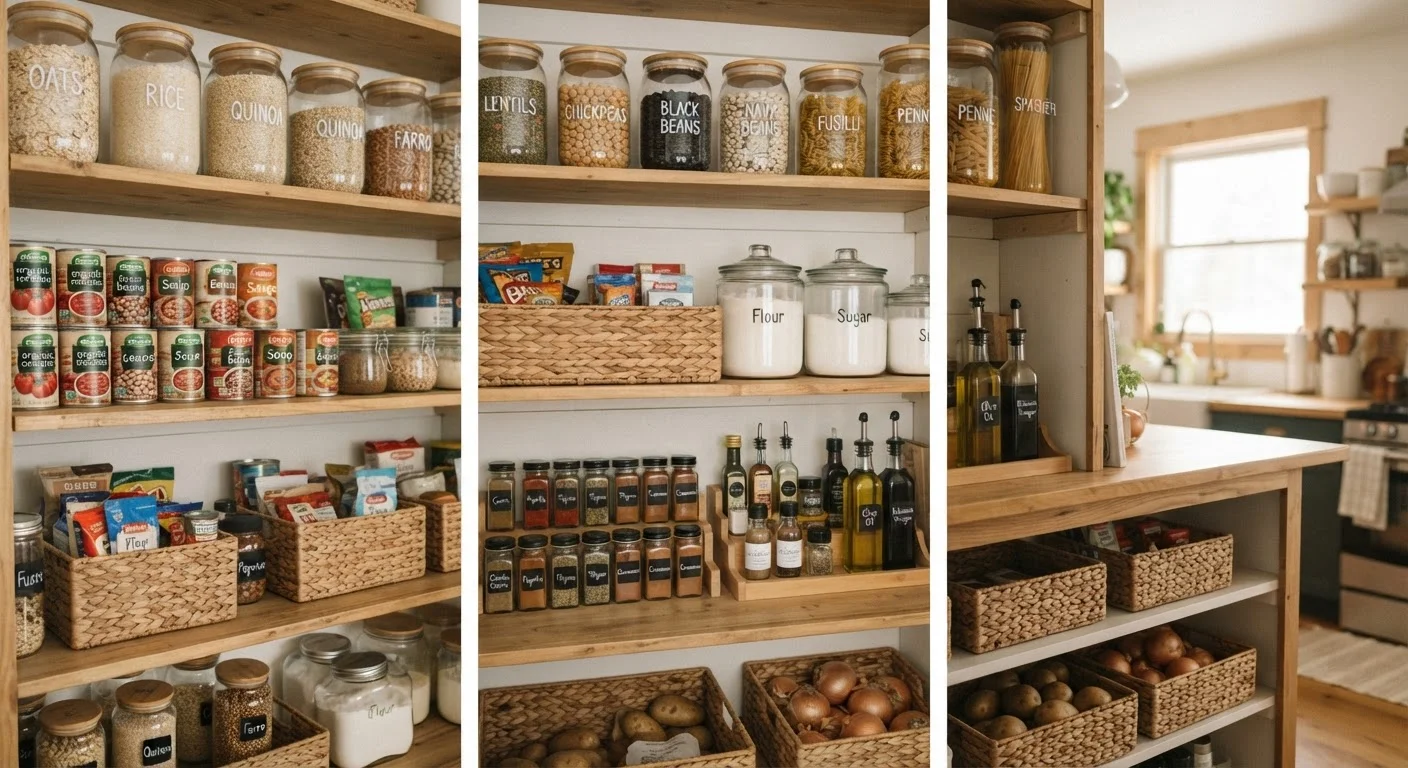
Photo: usewiseguide.com editorial
Key Takeaways
- A stocked pantry reduces unplanned shopping trips and food waste.
- Whole grains, legumes, and canned goods form a nutritious low-cost base.
- Organizing by category makes it easier to cook meals without extra planning.
- Rotating stock and checking expiration dates prevents spoilage and saves money.
- Pantry staples work best when paired with a consistent weekly meal plan.
Why pantry inventory matters for eating well on a budget
A disorganized or half-empty pantry leads to last-minute takeout, duplicate purchases, and wasted food. When you know exactly what you have on hand, weeknight cooking becomes faster and grocery trips become more deliberate. A stocked pantry also acts as a buffer against price spikes on fresh ingredients.
This checklist covers the categories worth auditing: grains, proteins, canned goods, fats, condiments, and basic baking supplies. Work through it once to assess what you already have, then use it as a restocking guide going forward. Pair it with a weekly meal plan to get the most out of every dollar spent. See our guide to building a weekly meal plan around seasonal produce for a practical starting point.
For a deeper look at how consistent planning cuts grocery costs over time, the meal planning on a tight budget walkthrough covers the full routine.
Whole grains and starches
Legumes and plant proteins
Canned and jarred goods
Fats and oils
Condiments and flavor builders
Baking and dry staples
Pantry maintenance
Tools you will need for the audit
Before running through the checklist, gather a few basics so the process moves quickly and the results are usable.
Notepad or checklist app
Record what you have, what is expired, and what needs restocking as you go through each shelf.
Permanent marker and masking tape
Label decanted items, jars, and containers with purchase or transfer dates.
Kitchen scale
Weigh bulk items stored in jars so you can accurately judge when to restock.
Airtight containers
Transfer open bags of grains and legumes to extend shelf life and prevent pest access.
Once you have completed the audit, group items by category on your shelves. Place older stock at the front so it gets used first. This habit alone can cut household food waste noticeably over a few months.
If you want to go further, batch cooking for families shows how a well-stocked pantry translates directly into efficient, stress-free meal prep. The family savings system guide also shows how pantry habits fit into a broader approach to household spending.
This article is for general informational purposes only. Nutritional needs vary by individual. Consult a registered dietitian or qualified healthcare professional for personalized dietary guidance.
The content provided on our blog site traverses numerous categories, offering readers valuable and practical information. Readers can use the editorial team’s research and data to gain more insights into their topics of interest. However, they are requested not to treat the articles as conclusive. The website team cannot be held responsible for differences in data or inaccuracies found across other platforms. Please also note that the site might also miss out on various schemes and offers available that the readers may find more beneficial than the ones we cover.