
Batch Cooking for Families: Getting Started Without the Overwhelm

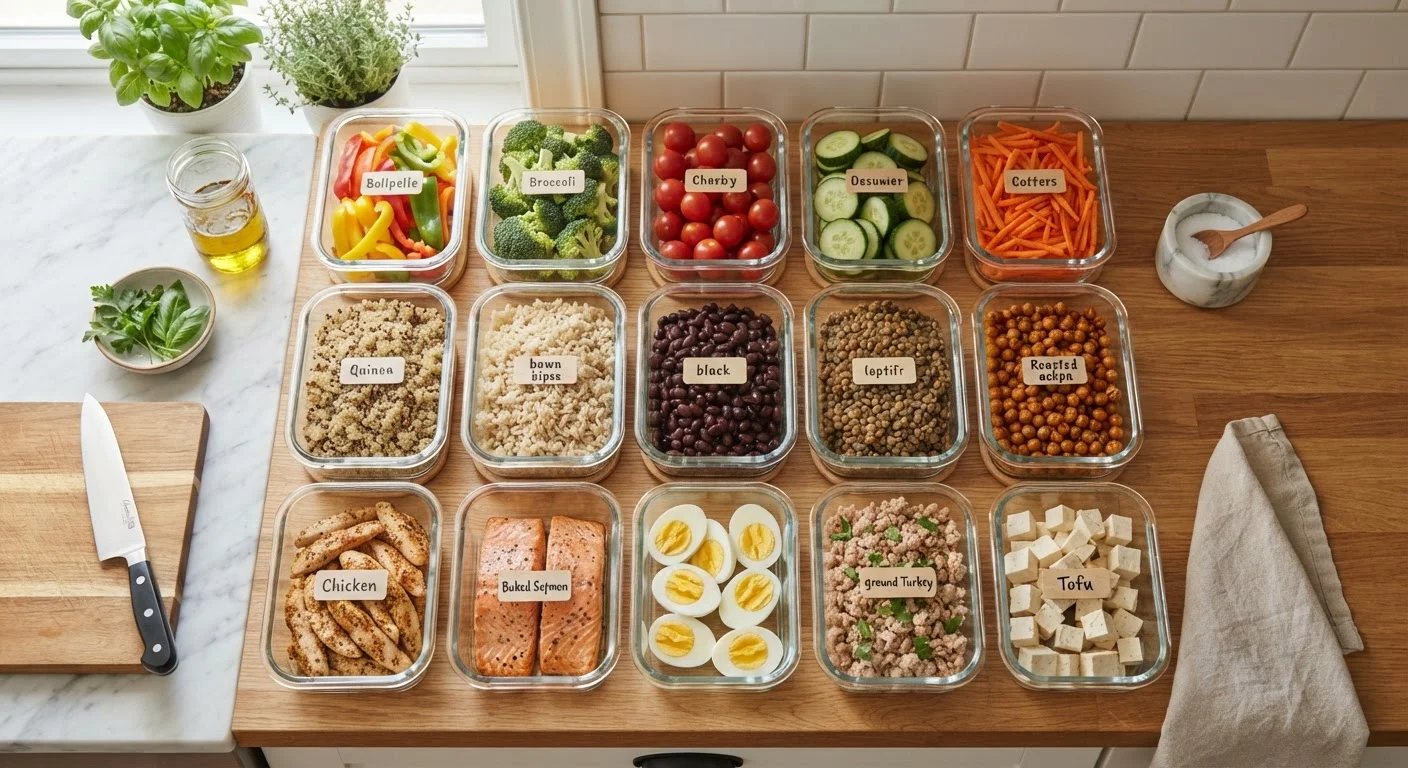
Photo: usewiseguide.com editorial
Key Takeaways
- Batch cooking means preparing food in larger quantities once or twice a week to reduce daily cooking time.
- Starting with two or three staple foods is less overwhelming than trying to prep an entire week's menu at once.
- Proper storage containers and labeling are essential for food safety and reducing waste.
- Pairing batch cooking with a weekly meal plan and a stocked pantry stretches your grocery budget further.
What batch cooking actually means
Batch cooking is preparing larger quantities of food during a single session so that ready-to-eat or easy-to-assemble meals are available throughout the week. It is not about cooking seven distinct dinners on Sunday. For most families, it means having cooked grains, a protein or two, and some prepped vegetables in the fridge so that weeknight assembly takes minutes rather than an hour.
The practice reduces the number of decisions you make at 6 p.m. on a Tuesday, cuts down on food waste by using ingredients before they spoil, and stretches the grocery budget because you buy with a clear plan. It pairs naturally with a weekly meal plan built around seasonal produce, since knowing what you will eat makes batch prep more purposeful.
Batch cooking
Preparing larger amounts of food in one session so meals or components are ready to use throughout the week.
Component cooking
Cooking individual ingredients, such as grains, proteins, and vegetables, separately so they can be mixed into different meals.
Food safety temperature
The refrigerator should stay at or below 40 degrees Fahrenheit to slow bacterial growth in stored food.
Airtight container
A storage vessel with a sealing lid that limits exposure to air, which slows spoilage and keeps food fresher longer.
Mise en place
A French culinary term meaning 'everything in its place': having all ingredients measured and prepped before cooking begins, which speeds up the overall process.
Planning your first session
The biggest mistake beginners make is trying to do too much. For a first session, choose two or three foods that your family eats regularly. Think in components, not complete recipes: a pot of brown rice, a tray of roasted vegetables, a batch of cooked beans or a simple baked protein.
Before you shop, check your pantry. A well-stocked pantry with staples like canned tomatoes, dried lentils, olive oil, and spices means you buy less and waste less. The pantry checklist for healthy, low-cost meals gives a practical starting inventory if you are building from scratch.
Write out what you will cook, what containers you need, and in what order things will cook. Grains and legumes take the longest, so start them first. While they simmer, chop and roast vegetables. This kind of sequencing lets you finish two or three components in the same two-hour window rather than back-to-back.
What to cook first
Some foods hold up better than others after a few days in the fridge. Grains like brown rice, farro, and barley reheat well and stay safe for four days. Cooked lentils and beans are similarly sturdy. Roasted root vegetables, broccoli, and cauliflower keep their texture better than leafy greens, which wilt quickly once cooked.
For protein, hard-boiled eggs, baked chicken thighs, and cooked ground turkey are forgiving and versatile. Cook them plain so they can go into salads, grain bowls, wraps, or soups without tasting out of place.
Avoid prepping raw-dressed salads or anything with avocado in advance. Prep the components separately and combine at mealtime. This keeps textures right and prevents food waste from dishes that turn unappetizing before anyone eats them.
Start with foods your family already likes
Storage basics that keep food safe
Airtight containers in a mix of sizes are the main requirement. Glass containers are durable and let you see contents at a glance. Plastic containers work fine if they seal well. Label everything with the date using masking tape and a marker so you are not guessing whether something is two days old or five.
Cool cooked food before sealing it. Putting hot food directly into a sealed container traps steam, raises the internal temperature, and creates conditions that speed bacterial growth. Spread food on a sheet pan or leave it uncovered for 20 to 30 minutes first, then refrigerate.
For longer storage, most cooked grains and proteins freeze well for up to three months. Portion them before freezing so you can thaw only what you need. Label frozen items with the date and contents since foods look similar once frozen.
Keeping costs down as you go
Batch cooking is most economical when the ingredients you prep align with what was already on sale or in season. Before committing to a weekly prep plan, look at what you already have and what needs to be used. This habit alone cuts food waste significantly.
As your routine stabilizes, frugal family living strategies can help you extend savings further across groceries and everyday spending. For families who want to combine meal planning with deal-seeking, a practical couponing approach can lower the cost of pantry staples you use repeatedly in batch sessions.
Buying larger quantities of dried grains, legumes, and canned goods generally costs less per serving than buying smaller packages weekly. That said, bulk buying only saves money if you will use everything before it expires. Start with quantities your family actually goes through in two to three weeks, then adjust from there.
This article is for general informational purposes and does not constitute medical or nutritional advice. Consult a registered dietitian or qualified healthcare professional for guidance specific to your family's dietary needs.
Frequently Asked Questions
The content provided on our blog site traverses numerous categories, offering readers valuable and practical information. Readers can use the editorial team’s research and data to gain more insights into their topics of interest. However, they are requested not to treat the articles as conclusive. The website team cannot be held responsible for differences in data or inaccuracies found across other platforms. Please also note that the site might also miss out on various schemes and offers available that the readers may find more beneficial than the ones we cover.