
Couponing Without the Chaos: A Practical Starting Point for Busy Families

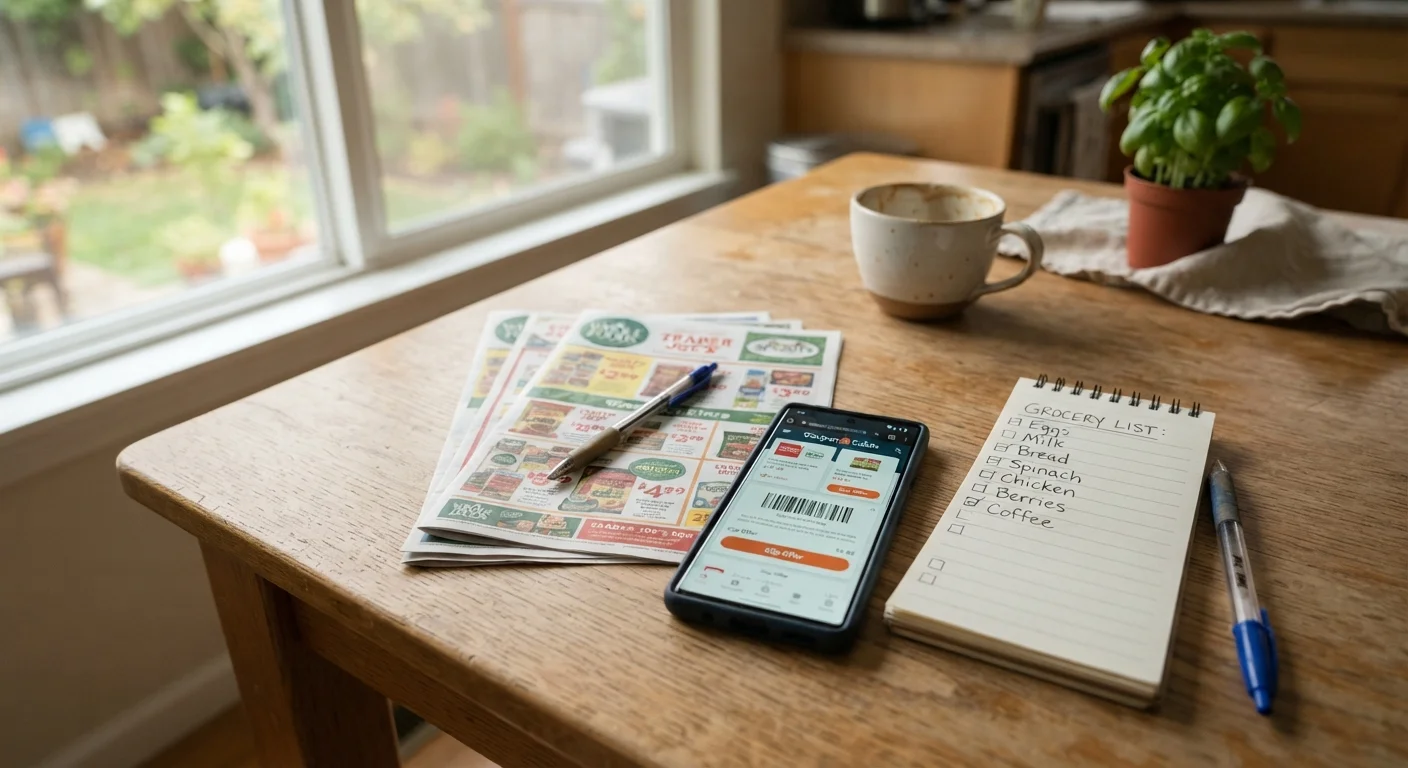
Photo: usewiseguide.com editorial
Key Takeaways
- Most usable coupons are already available through store apps and loyalty programs, no clipping required.
- A 10-minute weekly review of coupons matched to your shopping list is enough to see real savings.
- Buying something only because you have a coupon for it is one of the fastest ways to overspend.
- Paper and digital coupons can be used together at many retailers, which can increase the discount.
- Organizing coupons by category and expiration date prevents waste and speeds up checkout.
Why couponing feels overwhelming at first
The image most people have of couponing involves binders stuffed with clipped paper, hours of Sunday newspaper sorting, and a near-professional level of commitment. That version exists, but it is not the only version, and for most busy families it is not a realistic one.
The disconnect comes from confusing extreme couponing with ordinary couponing. Extreme couponing treats grocery shopping as a competitive sport. Ordinary couponing is simply using available discounts on things you already plan to buy. The second approach takes a fraction of the time and still produces consistent, repeatable savings.
Starting small also matters for a practical reason: coupons expire, and a system you cannot maintain will create clutter and missed savings rather than reducing either. The frugal family living mindset applies here: sustainable habits beat occasional bursts of effort.
Manufacturer coupon
A discount issued by the company that makes a product, usually accepted at any store that carries that product.
Store coupon
A discount issued by a specific retailer, valid only at that store's locations or website.
Coupon stacking
Applying more than one coupon to a single item, typically one manufacturer coupon and one store coupon together. Store policies on stacking vary.
Digital coupon
A discount loaded to a loyalty account or app that applies automatically at checkout without any paper clipping.
Rebate app
A mobile app that returns a small cash amount after you purchase specific items and submit a receipt photo for verification.
Unit price
The cost per standard unit of measure (such as per ounce or per count), shown on shelf labels to help shoppers compare sizes and brands accurately.
Where to actually find coupons
Most coupons available to American families fall into a few consistent categories.
- Store loyalty apps: Grocery chains load digital coupons into their apps weekly. You clip them with a tap and they apply automatically at checkout when you scan your loyalty card.
- Manufacturer websites: Brands in categories like personal care, cleaning products, and packaged food often post printable or digital coupons directly on their sites.
- Sunday newspaper inserts: Two recurring insert types, SmartSource and RetailMeNot Everyday (formerly RedPlum), appear in many Sunday papers and contain manufacturer coupons across grocery, personal care, and household categories.
- Store weekly flyers: These advertise sale prices and often include store coupons. Flyers are available at store entrances and on retailer websites.
- Cashback and rebate apps: Apps like Ibotta and Fetch Rewards offer rebates on specific purchases after checkout. They work alongside traditional coupons at many stores. See how cashback and rebates work for a fuller breakdown.
For families who also want to cut food costs more broadly, combining coupon use with a structured meal plan is more efficient than either approach alone. The meal planning on a tight budget guide covers how to make that combination work in practice.
A simple system for organizing what you find
Organization does not need to be elaborate. The goal is to know what you have, when it expires, and where to find it at checkout.
For digital coupons, organization is largely automatic: the app holds them and the register applies them. The main task is clipping relevant offers each week before you shop.
For paper coupons, a few simple approaches work well:
- A small accordion folder with category tabs (produce, dairy, cleaning, personal care) lets you pull the right coupon quickly at the store.
- A single envelope per week, organized by expiration date with the soonest at the front, works if you shop frequently and rotate stock regularly.
- Photographing coupons with your phone gives a backup reference without carrying paper.
Whatever system you choose, a weekly 10-minute review tied to building your shopping list is enough maintenance. Check expiration dates, remove expired coupons, and match remaining offers to what you plan to buy. The family savings system guide covers how to build routines like this into a broader household savings habit.
Using coupons without wasting time
The most time-efficient approach is list-first couponing. Write the shopping list based on meals planned and household needs, then search for coupons that match items already on the list. This takes roughly 5 to 10 minutes and prevents the trap of buying something unnecessary because it was discounted.
A few habits that speed up the process:
- Check the store app the night before shopping, not the morning of. Loading digital coupons under time pressure leads to missed ones.
- Group store coupons and manufacturer coupons separately in your folder so you can present them in the right order at checkout if stacking is permitted at your store.
- Note expiration dates when you clip. Coupons expiring within a week move to the front of the envelope or get flagged in the app.
For families tracking spending across categories, knowing where coupons fit inside the overall budget is useful context. The family budget guide offers a practical framework for that.
Match coupons to your list, not the other way around
Common mistakes beginners make
Several patterns consistently undercut savings for people new to couponing.
Buying because of the discount: A coupon on an item you would not have purchased is a spending trigger, not a savings tool. The discount only matters if the purchase was already planned.
Ignoring unit price: A coupon on a name-brand product may still leave that product more expensive per ounce than the store brand without a coupon. Compare unit prices, not just final sticker prices.
Letting coupons expire: Unused coupons are invisible overpayments on future purchases. A weekly review, even a brief one, prevents this.
Overcomplicating the system: A system that takes longer to maintain than the savings it generates is not worth keeping. Start with just the store app and one physical folder before adding more sources.
For a deeper look at how paper and digital formats compare in practice, digital coupons vs. paper coupons breaks down which format tends to suit which shopping habits.
Frequently Asked Questions
The content provided on our blog site traverses numerous categories, offering readers valuable and practical information. Readers can use the editorial team’s research and data to gain more insights into their topics of interest. However, they are requested not to treat the articles as conclusive. The website team cannot be held responsible for differences in data or inaccuracies found across other platforms. Please also note that the site might also miss out on various schemes and offers available that the readers may find more beneficial than the ones we cover.