
Building a Family Savings System: Habits, Tools, and Routines That Work

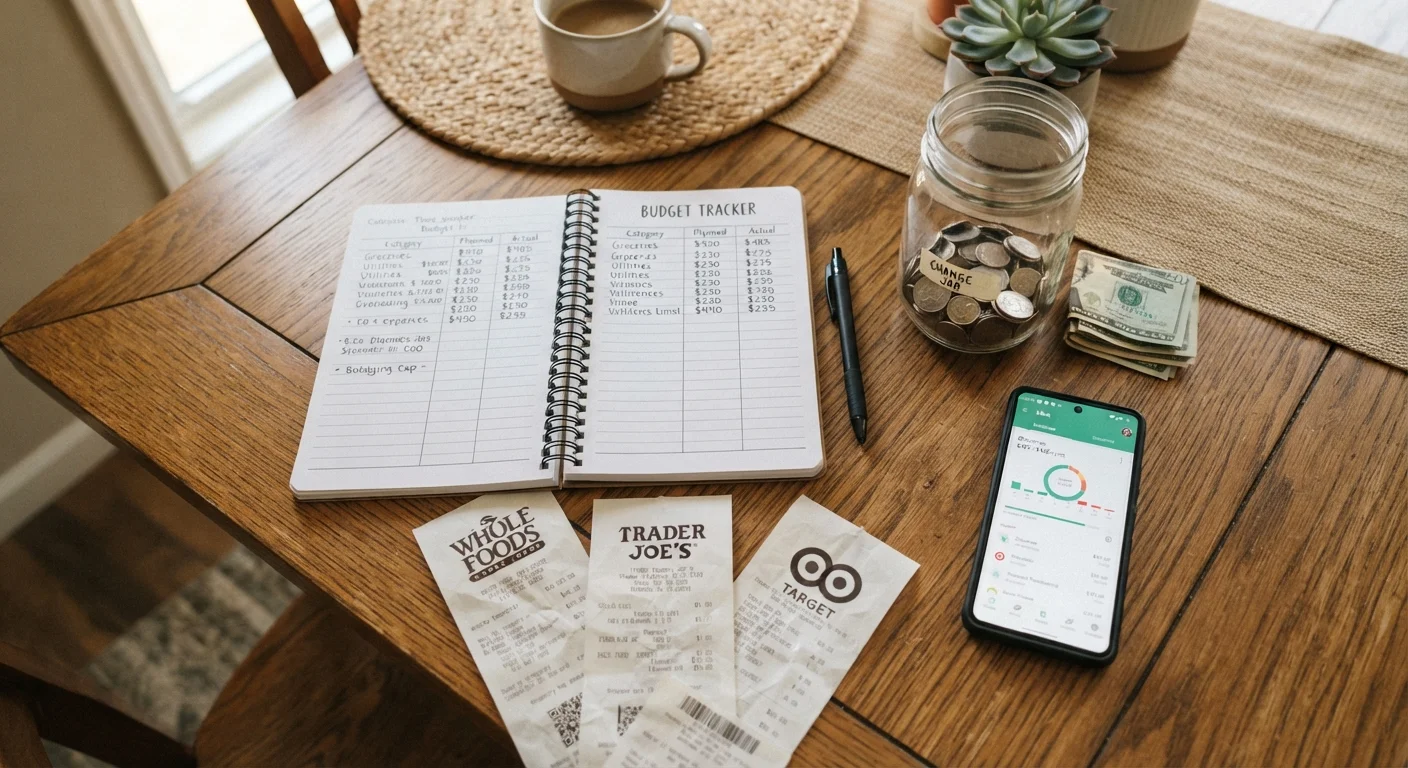
Photo: usewiseguide.com editorial
Key Takeaways
- A repeatable weekly routine does more for family savings than chasing one-off deals.
- Combining coupons, cashback tools, and seasonal timing multiplies savings across categories.
- Tracking spending by category reveals where leakage happens and where to focus first.
- Batch purchasing and meal planning together cut both grocery and food waste costs.
- Free retailer loyalty programs and price protection policies are underused by most families.
Why a system beats deal-hunting
Chasing individual deals is exhausting and inconsistent. A savings system, by contrast, runs in the background of normal family life. It sets up conditions where discounts happen predictably rather than by luck.
The core idea is simple: match your spending categories to the tools best suited to each one. Groceries respond well to loyalty programs and meal planning. Home goods purchases benefit from seasonal timing. Recurring expenses like personal care and auto supplies are where cashback and rebate programs pay off steadily over time.
Families who connect these methods into a routine tend to save more than those who apply any single method in isolation. For a practical look at how cashback and price protection fit into this picture, see how cashback, rebates, and price protection work.
Building the weekly money routine
A functional family savings routine takes about 20 to 30 minutes per week. The habit itself matters more than the specific tools you choose.
Designate one day per week to plan meals and build the grocery list before checking any coupons or offers.
Audit your loyalty program memberships once per quarter and consolidate to the programs you actually use.
Keep a running list of large purchases planned for the next six months and note the seasonal window when each typically goes on sale.
Enable price-drop alerts or use a browser extension that tracks price history on items you plan to buy online.
Consistency across these habits is what separates families who save predictably from those who save occasionally. The Frugal Family Living hub has additional practical frameworks for households at every income level.
Using seasonal cycles to your advantage
Retail pricing follows predictable patterns year-round. Appliances drop in price during certain holiday weekends. Bedding and linens go on clearance at the end of white-sale season. Lawn and garden equipment is marked down at the close of summer.
Knowing these cycles in advance lets you plan purchases rather than react to them. A month-by-month seasonal savings calendar can anchor this part of your system without requiring you to track retail trends yourself.
For home project supplies specifically, timing intersects with another decision: whether to buy or rent. Renting versus owning tools is worth working through before any seasonal purchase of equipment you may only use once.
Groceries and food: where the biggest gains live
For most families, groceries are the single largest discretionary spending category. Two habits move the needle most: meal planning and batch cooking.
Meal planning reduces impulse purchases and food waste. Batch cooking extends that benefit by reducing weeknight spending on takeout. For families new to this approach, a beginner's guide to batch cooking covers planning, prep, and storage without assuming prior experience.
Layer store loyalty programs and digital coupons on top of a meal plan rather than shopping around the coupons. Building your grocery list first, then checking available digital offers, prevents buying items you do not need simply because they are discounted.
Tracking and adjusting over time
A savings system that runs without feedback will drift. A basic monthly review, even 10 minutes with a bank statement, shows which categories are improving and which are not.
Group spending into four to six categories that match your family's actual life: groceries, household supplies, personal care, dining out, clothing, and transportation are a common starting set. Totaling each one monthly reveals where leakage is happening. Many families find that household supplies and personal care are the easiest categories to reduce with loyalty programs and price matching, once they can see the actual numbers.
For families working on home maintenance budgets alongside everyday savings, the Home and Garden Savings hub groups practical cost-reduction ideas by project type.
The content provided on our blog site traverses numerous categories, offering readers valuable and practical information. Readers can use the editorial team’s research and data to gain more insights into their topics of interest. However, they are requested not to treat the articles as conclusive. The website team cannot be held responsible for differences in data or inaccuracies found across other platforms. Please also note that the site might also miss out on various schemes and offers available that the readers may find more beneficial than the ones we cover.