
Building a Weekly Meal Plan Around Seasonal Produce

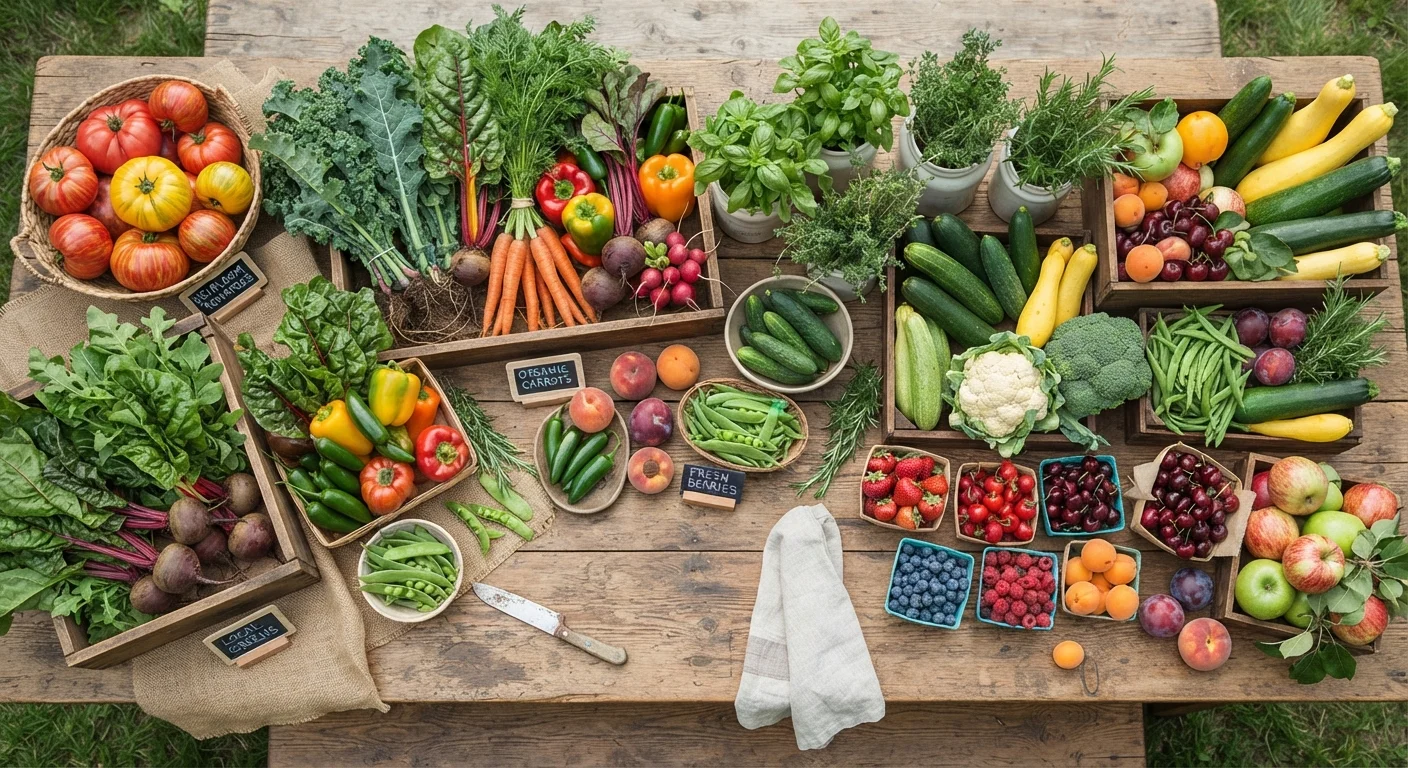
Photo: usewiseguide.com editorial
Key Takeaways
- Seasonal produce typically costs less than out-of-season alternatives because supply is higher and transportation costs are lower.
- A simple seasonal produce calendar helps you plan meals before you shop, reducing impulse purchases and food waste.
- Pairing seasonal vegetables with pantry staples stretches your grocery budget further across the week.
- Batch prepping seasonal produce on one day cuts daily cooking time for busy weeknights.
- Flexibility in your meal plan, swapping one vegetable for another in season, keeps costs predictable week to week.
Why seasonal produce makes meal planning easier
Produce that is in season locally tends to be more abundant, which generally brings prices down at the grocery store and at farmers markets. It also spends less time in cold storage, so texture and flavor are usually better. From a nutritional standpoint, fruits and vegetables harvested closer to ripeness retain more of their water-soluble vitamins than those picked early for long-distance shipping, though the difference varies by crop and storage method.
For families trying to eat well on a budget, that combination of lower cost and better quality makes seasonal produce a practical anchor for the week's meals. The challenge is knowing what is actually in season where you live, because availability varies by region. Your state's agricultural extension office or a local farmers market vendor can confirm what is peaking near you at any given time. Conventional vs. organic produce choices also interact with seasonality, so it is worth understanding what the evidence says before deciding where to spend more.
What you need before you start
Before building your plan, gather a few basic inputs. You need a rough idea of your weekly grocery budget, how many people you are feeding, and which nights require fast meals versus which allow more cooking time.
What you will need
Seasonal produce calendar
Shows which fruits and vegetables are in peak season in your region each month, so you can shop what is abundant and affordable.
Meal planning template or notebook
Gives you a structured grid to assign meals to each day and track what produce you need to buy.
Running pantry inventory list
Tracks what staples (grains, legumes, canned goods, spices) you already have so you avoid duplicate purchases.
Reusable storage containers
Stores prepped and cooked seasonal produce safely in the refrigerator or freezer for use across multiple meals.
How to build your seasonal meal plan step by step
Follow these steps once a week, ideally before your main shopping trip. The whole process takes 30 to 60 minutes the first few times and gets faster with practice. Pairing this habit with a well-stocked pantry means you will rarely need a last-minute store run mid-week.
Check what is in season in your region
Pull up a seasonal produce calendar specific to your state or region. Note three to five vegetables and one or two fruits that are currently in peak season. These will form the base of your plan. Avoid building around produce that is technically available but out of season locally, as those items are usually more expensive and lower quality.
Match seasonal produce to cooking methods your family accepts
For each seasonal vegetable or fruit you identified, write down one or two cooking methods that work for your household. A family that dislikes steamed greens might eat the same greens roasted or in a soup. This step prevents you from buying produce nobody will eat.
Slot meals into the week by cooking time
Assign heavier cooking tasks to evenings when you have more time, and simpler builds (grain bowls, stir-fries, wraps) to your busiest nights. Place at least one intentional leftover meal in the plan, where Tuesday's dinner becomes Thursday's lunch. This reduces the number of distinct recipes you need to execute.
Write a produce-first shopping list
List your seasonal produce first on the shopping list, with rough quantities. Then fill in pantry gaps (grains, legumes, canned goods, proteins) that the meals require. Shopping produce-first keeps the seasonal items central and prevents the list from drifting toward convenience foods that inflate the total.
Prep produce once to use across multiple meals
After shopping, set aside time to wash, peel, and chop the week's vegetables in one session. Store them in containers in the refrigerator. This reduces the friction of cooking on weeknights and makes it more likely you will actually use everything you bought rather than reaching for a processed alternative when time is short.
Making the plan work across the week
A meal plan is only useful if it holds up under real weekday pressure. Two habits help. First, do as much produce prep as possible on one day: wash, chop, and portion vegetables so they are ready to drop into a pan or pot. Batch cooking principles apply here, even if you are not cooking full meals in advance. Second, build deliberate overlap into your plan. A roasted root vegetable you serve as a side on Tuesday can go into a grain bowl on Wednesday and a soup on Thursday, reducing both cooking time and waste.
When seasonal variety is limited, for example in deep winter, lean harder on frozen vegetables. Frozen produce is harvested at peak ripeness and flash-frozen, so its nutritional profile is comparable to fresh. It also costs less per serving during off-peak months. A consistent weekly meal planning routine that accounts for frozen options keeps costs stable year-round.
For a broader look at how grocery habits fit into household finances, the Frugal Family Living hub covers practical strategies across food, home, and everyday spending. Building a repeatable savings system at the household level can also help you see grocery planning as one part of a larger financial routine.
This article is for general informational purposes only. Consult a registered dietitian or qualified healthcare professional for personalized nutrition advice.
The content provided on our blog site traverses numerous categories, offering readers valuable and practical information. Readers can use the editorial team’s research and data to gain more insights into their topics of interest. However, they are requested not to treat the articles as conclusive. The website team cannot be held responsible for differences in data or inaccuracies found across other platforms. Please also note that the site might also miss out on various schemes and offers available that the readers may find more beneficial than the ones we cover.