
Why Families Overspend During Sales Events (and How to Stay on Budget)

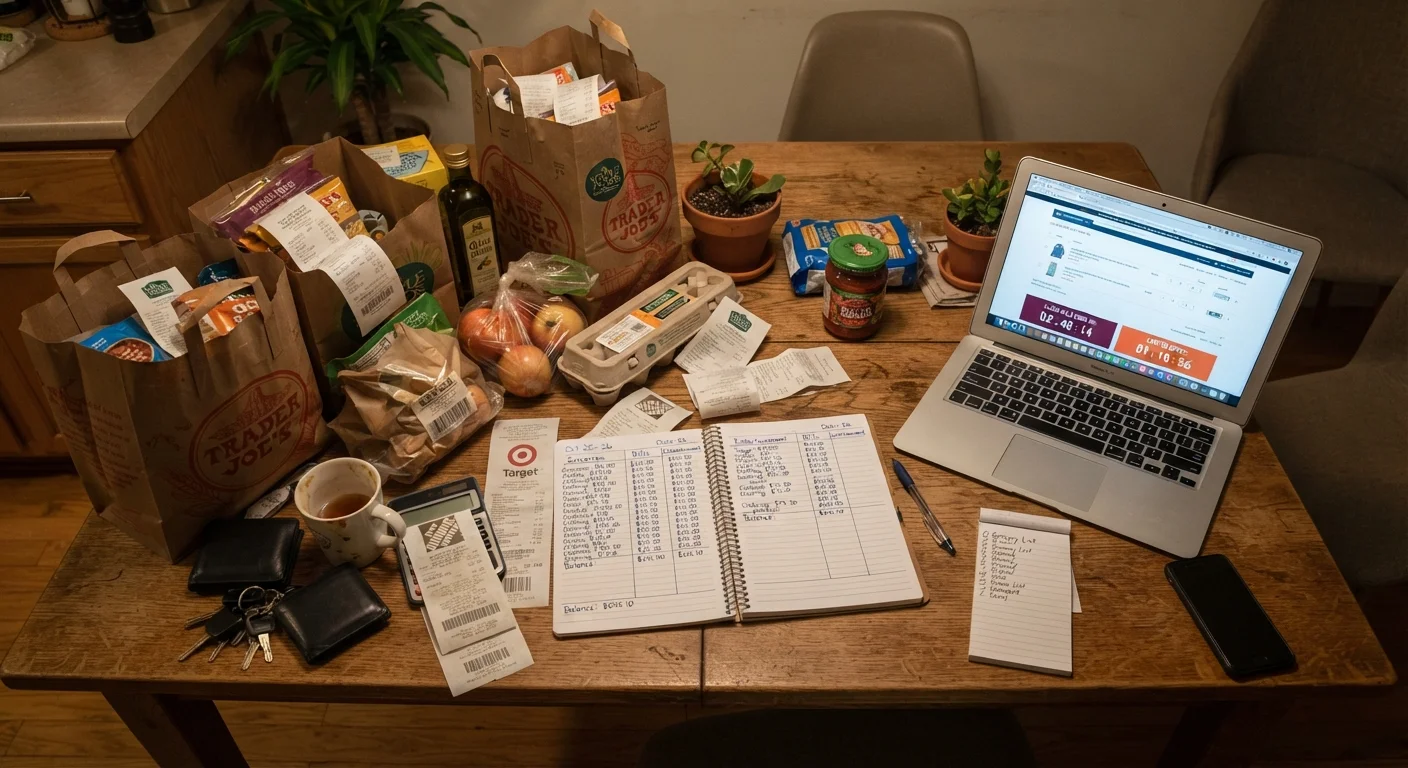
Photo: usewiseguide.com editorial
Key Takeaways
- Families often spend more during sales events than they would have without the sale.
- Artificial urgency and bundle pricing are common retail tactics that push spending past budgets.
- A written spending limit set before browsing is the most reliable check against impulse purchases.
- Comparing the sale price to your planned budget, not the original price, reveals the real cost.
- Seasonal timing guides help families shop sales they already planned, rather than reacting to promotions.
Why sales events push spending past planned limits
Retail sale events, whether online flash sales, holiday promotions, or clearance weekends, are designed to accelerate purchasing decisions. The combination of discounted prices, countdown timers, and curated 'deals' creates conditions where families routinely spend more than they intended, sometimes significantly more.
This is not a willpower problem. The spending patterns that emerge during sales are predictable responses to deliberate retail design. Understanding which specific behaviors drive overspending lets families counter them with equally specific habits rather than vague intentions to 'be more careful.'
The mistakes below reflect patterns that appear across household budgets regardless of income level. Each one has a concrete, practical fix. Impulse-driven spending patterns at the grocery store follow similar logic and compound the problem when a sale event hits simultaneously.
Shopping without a pre-set spending limit for the event.
Measuring savings against the original retail price instead of the household budget.
Buying multiples of an item 'because it's on sale' without checking storage capacity or actual consumption rate.
Responding to manufactured urgency, such as countdown timers or 'limited stock' notices, without verification.
Treating a sale event as the primary reason to buy, rather than buying something already needed that happens to be on sale.
Ignoring the total transaction cost, including shipping fees, add-on warranties, or required accessories.
Building habits that hold during high-pressure sale windows
The most effective guardrail is a written budget with category-level detail before any sale begins. Families who track spending by category, as described in the family budget guide, arrive at sale events with a clear picture of what funds are actually free to spend versus what is already allocated.
Savings framing can obscure real spending
Timing also matters. Many families end up in reactive mode because they discover a sale while browsing, rather than anticipating it. A calendar approach, where you match known needs to predictable sale windows, converts sale shopping from an impulse activity into a planned one. The seasonal savings calendar maps those windows across categories throughout the year.
For families looking to apply these habits at the point of purchase, the pre-purchase checklist provides a quick review process to confirm a transaction fits the budget before checkout. Broader strategies for keeping household costs in check are collected in the Frugal Family Living resource hub.
This article is for general informational purposes only and does not constitute financial advice. Readers should consult a qualified financial professional for guidance specific to their household circumstances.
The content provided on our blog site traverses numerous categories, offering readers valuable and practical information. Readers can use the editorial team’s research and data to gain more insights into their topics of interest. However, they are requested not to treat the articles as conclusive. The website team cannot be held responsible for differences in data or inaccuracies found across other platforms. Please also note that the site might also miss out on various schemes and offers available that the readers may find more beneficial than the ones we cover.