
Food Waste Habits That Quietly Drain the Family Grocery Budget

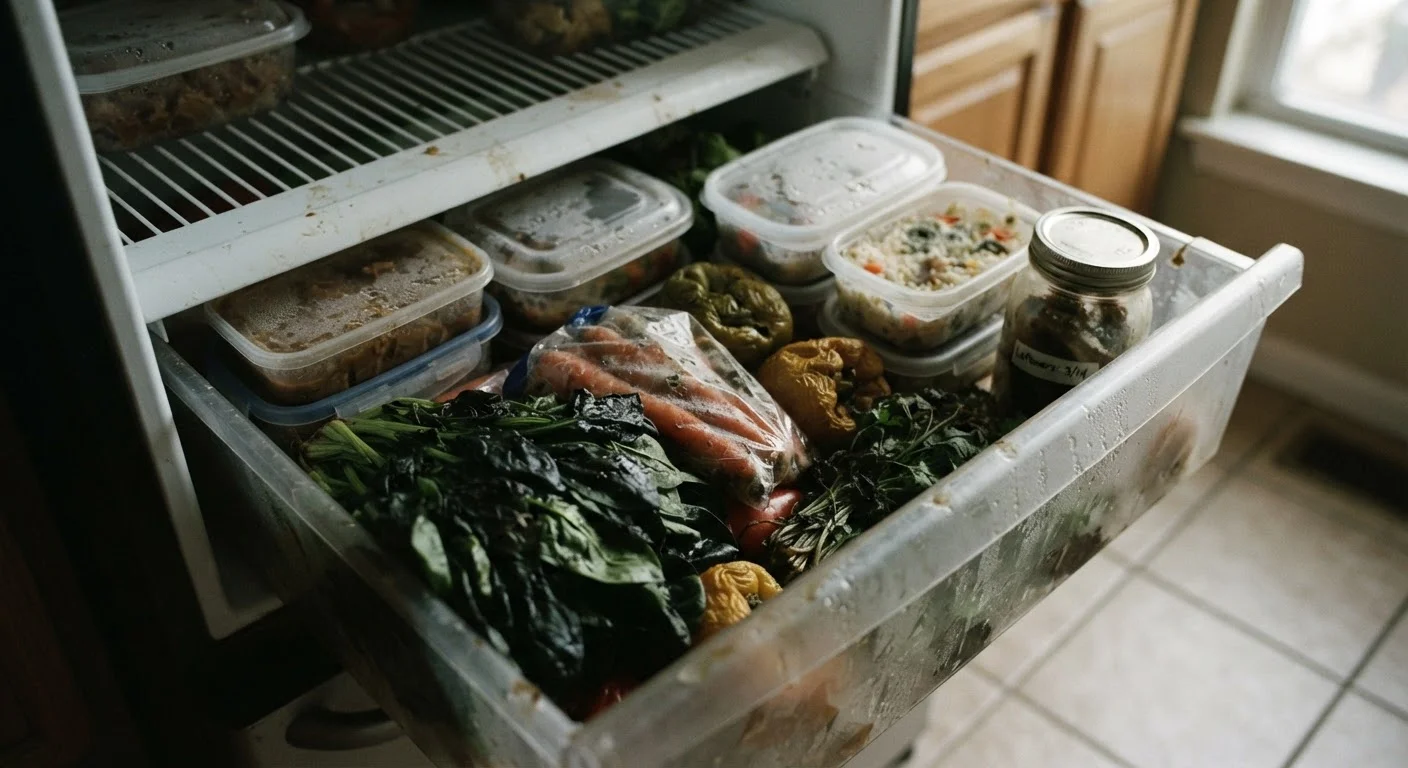
Photo: usewiseguide.com editorial
Key Takeaways
- The average American family of four throws away hundreds of dollars in food every year.
- Most food waste comes from a handful of repeatable, fixable habits rather than bad luck.
- Simple changes to shopping, storage, and meal planning can recover a meaningful share of that loss.
- Disorganized refrigerators and pantries are among the most common drivers of forgotten food.
- Cooking without a plan is a frequent cause of buying more than a household can realistically use.
Why food waste quietly inflates the grocery bill
Food waste is not usually dramatic. It rarely looks like full meals being scraped into the trash. More often it is a handful of spinach that turned slimy, half a loaf of bread that went stale, and a container of leftovers that got buried behind the milk. These small losses feel minor individually, but they accumulate steadily across a year.
The USDA estimates that between 30 and 40 percent of the U.S. food supply goes to waste at the consumer level. For a family spending $200 or more per week on groceries, even a 20 percent waste rate means a substantial amount of money that never translated into a meal. Addressing waste habits is, in practical terms, one of the faster ways to free up room in a grocery budget without eating less or buying cheaper food.
Common grocery spending patterns often overlap with food waste: buying in quantity without a plan, shopping hungry, and skipping a list all increase the chance that food goes unused. Food waste and grocery overspending tend to show up together.
Food waste is a budget problem, not just a food problem
The habits that cause the most waste
Most food waste traces back to a short list of repeated behaviors rather than individual bad decisions. The mistakes below cover the most common ones and are worth reviewing honestly against your household's current routine.
Shopping without checking what is already at home first.
Storing food in the wrong part of the refrigerator.
Cooking large batches without a plan for leftovers.
Misreading date labels and throwing away food that is still safe.
Buying produce in bulk without a realistic plan to use it.
Ignoring the freezer as a tool for extending food life.
Disorganization in the kitchen compounds all of these problems. A cluttered pantry or refrigerator makes it hard to see what is available, which leads to duplicate purchases and forgotten food. The real cost of household disorganization extends directly into the food budget.
A consistent weekly meal plan addresses several of these habits at once. It creates a structure that connects what you buy to what you actually cook, which makes it far less likely that produce sits unused or that leftovers get forgotten. See how meal planning on a tight budget can reduce waste and simplify the week.
This article is for general informational purposes only and does not constitute dietary, medical, or financial advice. Consult a qualified professional for guidance specific to your situation.
The content provided on our blog site traverses numerous categories, offering readers valuable and practical information. Readers can use the editorial team’s research and data to gain more insights into their topics of interest. However, they are requested not to treat the articles as conclusive. The website team cannot be held responsible for differences in data or inaccuracies found across other platforms. Please also note that the site might also miss out on various schemes and offers available that the readers may find more beneficial than the ones we cover.