
Indoor Plants That Thrive on Neglect and Cost Almost Nothing to Grow

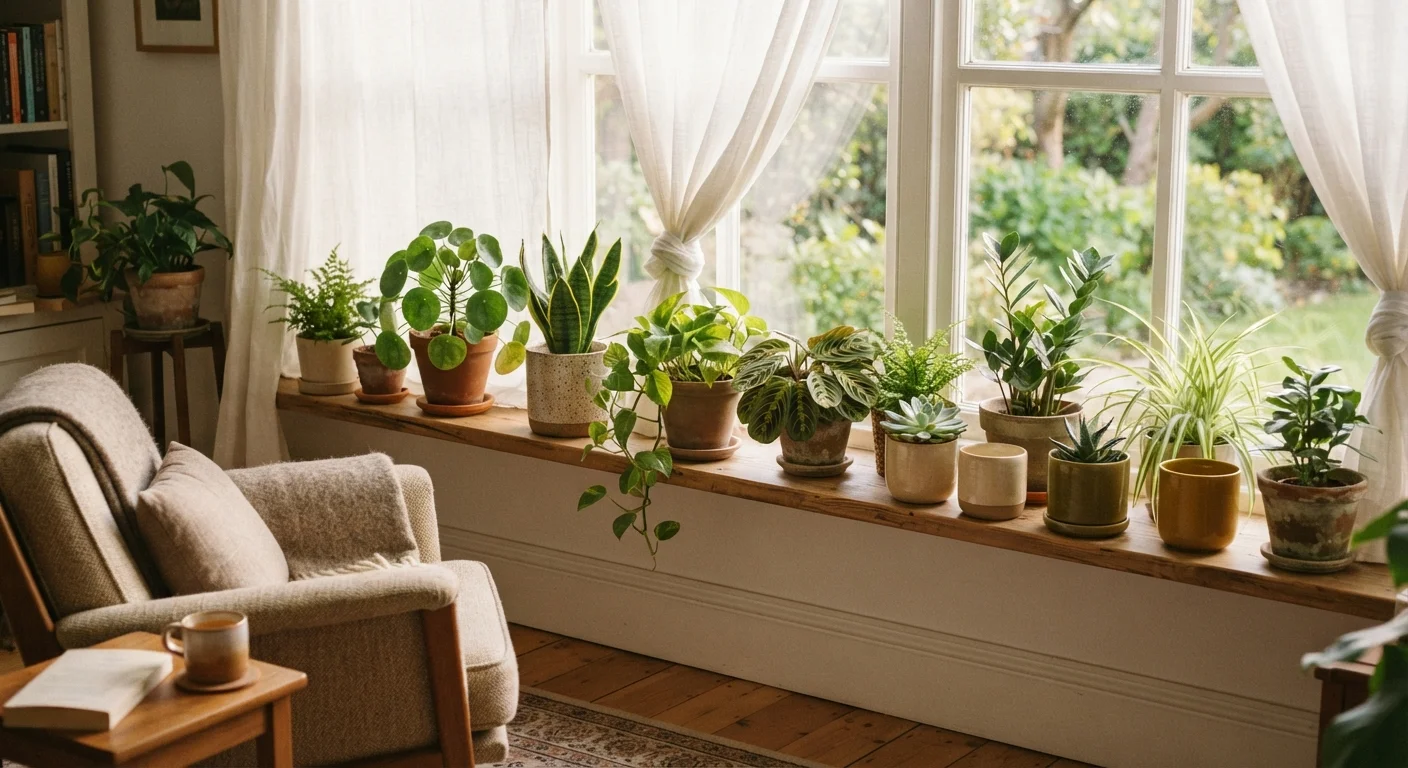
Photo: usewiseguide.com editorial
Key Takeaways
- Several common houseplants tolerate irregular watering and low light, making them practical for busy households.
- Many of these plants propagate easily from cuttings, so one small purchase can multiply into many plants at no extra cost.
- Starting with inexpensive, forgiving plants reduces the financial risk of trial and error for new plant owners.
- Most of these varieties need only basic potting mix and an ordinary container, keeping startup costs low.
- Plants that thrive on neglect often live for years, providing long-term value from a one-time small investment.
Why low-maintenance plants make sense for most families
Houseplants add life to a room without requiring a renovation budget. The problem is that many families try a plant, forget to water it for two weeks, and write off the whole idea. The solution is choosing plants designed, by nature, to handle inconsistent care.
The plants on this list share a few traits: they tolerate drought, adapt to typical indoor light levels, and do not demand expensive fertilizers or specialized soil. Several can be propagated from cuttings shared by a neighbor or coworker, meaning the starting cost can be zero. For families already thinking about stretching their home budget, that matters. See how houseplants fit into a broader approach in our guide to decorating on a tight budget.
Propagation cuts your costs significantly
Eight plants worth keeping in your home
Pothos (Epipremnum aureum)
Pothos is arguably the most forgiving houseplant available. It grows in low light, tolerates irregular watering, and trails attractively from shelves or hangs in a simple pot. When the soil is dry an inch or two down, water it. When it is not, leave it alone. Stems root in a glass of water within a week or two, so a single plant can fill an entire room over time at no cost.
A single pothos cutting placed in water will root in roughly two weeks, costing nothing.
Snake plant (Dracaena trifasciata)
Snake plants survive in dim corners where most plants would struggle. They store water in their thick leaves, so monthly watering is often sufficient, and overwatering is the only common mistake. They come in several sizes and stay looking tidy with almost no effort. Leaf cuttings can be propagated in soil or water, though the process takes several months.
Snake plants store water in their leaves and often need watering only once a month.
Spider plant (Chlorophytum comosum)
Spider plants produce hanging offshoots called spiderettes, which can be detached and rooted to create new plants. They prefer indirect light and moderate watering, but they recover quickly from neglect. They are among the safest houseplants for households with cats or dogs, though confirming any plant's pet safety with a veterinarian before bringing it home is always worth doing.
Spider plants grow offshoots freely, giving families a continuous supply of new plants.
ZZ plant (Zamioculcas zamiifolia)
The ZZ plant has thick rhizomes underground that store water, making it extremely drought-tolerant. It handles low light well and can go weeks without attention. Growth is slow, which means a small plant stays manageable for a long time. The main caution: the sap is a skin irritant, so washing hands after handling is sensible, and keeping it away from young children is advisable.
ZZ plants store water underground and can go weeks without any attention.
Aloe vera
Aloe vera needs bright, indirect light and infrequent watering, roughly every two to three weeks depending on your home's humidity. It offsets freely, producing small plants at the base that can be separated and repotted. The gel inside the leaves is commonly used for minor skin irritations, though it is not a substitute for medical care. Plant costs are low and one mature plant can produce offsets for years.
One aloe plant regularly produces offsets, giving families free replacements for years.
Peace lily (Spathiphyllum wallisii)
Peace lilies are one of the few flowering plants that do well in lower light conditions. They communicate clearly when they need water by drooping slightly, then perk up within hours of being watered. This visible feedback makes them useful for people still learning a watering routine. Note that peace lilies are toxic to cats and dogs, so placement matters in pet-owning households.
Peace lilies droop visibly when thirsty and recover quickly, making watering timing obvious.
Chinese evergreen (Aglaonema)
Chinese evergreens come in shades from solid green to red and pink, offering some visual variety without the need for flowers. They tolerate low light and infrequent watering, and they are slow-growing enough to stay in a small pot for a long time. Some varieties are mildly toxic to pets, so checking before purchasing if you have animals at home is a practical step.
Chinese evergreens stay in small pots for long periods, reducing repotting costs and effort.
Cast iron plant (Aspidistra elatior)
The name reflects the reality: this plant tolerates deep shade, temperature swings, dust, and sporadic watering with little visible complaint. Growth is slow, but so is its decline under neglect. It works well in dark hallways or rooms with no direct sunlight where other plants simply cannot survive. It rarely needs repotting and does not attract common houseplant pests with much regularity.
Cast iron plants survive in deep shade and temperature swings that would kill most houseplants.
Getting started without overspending
The cheapest route into houseplants is propagation. Ask at community centers, local Facebook groups, or neighborhood apps whether anyone has cuttings to share. Pothos, snake plants, and spider plants are especially common giveaways because they multiply fast and owners often have more than they need.
When buying, small nursery pots cost a fraction of large ones and grow quickly given a little time. Repurpose containers you already own, such as glass jars, tin cans, or old mugs, rather than buying decorative pots right away. Standard all-purpose potting mix works for almost every plant on this list. If you are also thinking about growing food or herbs outdoors, our guide to building raised garden beds on a budget covers low-cost soil and material options that share the same frugal principles. For more money-saving ideas across your household, the Frugal Family Living hub has practical strategies worth bookmarking.
The content provided on our blog site traverses numerous categories, offering readers valuable and practical information. Readers can use the editorial team’s research and data to gain more insights into their topics of interest. However, they are requested not to treat the articles as conclusive. The website team cannot be held responsible for differences in data or inaccuracies found across other platforms. Please also note that the site might also miss out on various schemes and offers available that the readers may find more beneficial than the ones we cover.