
Decorating on a Tight Budget: Where to Spend and Where to Save

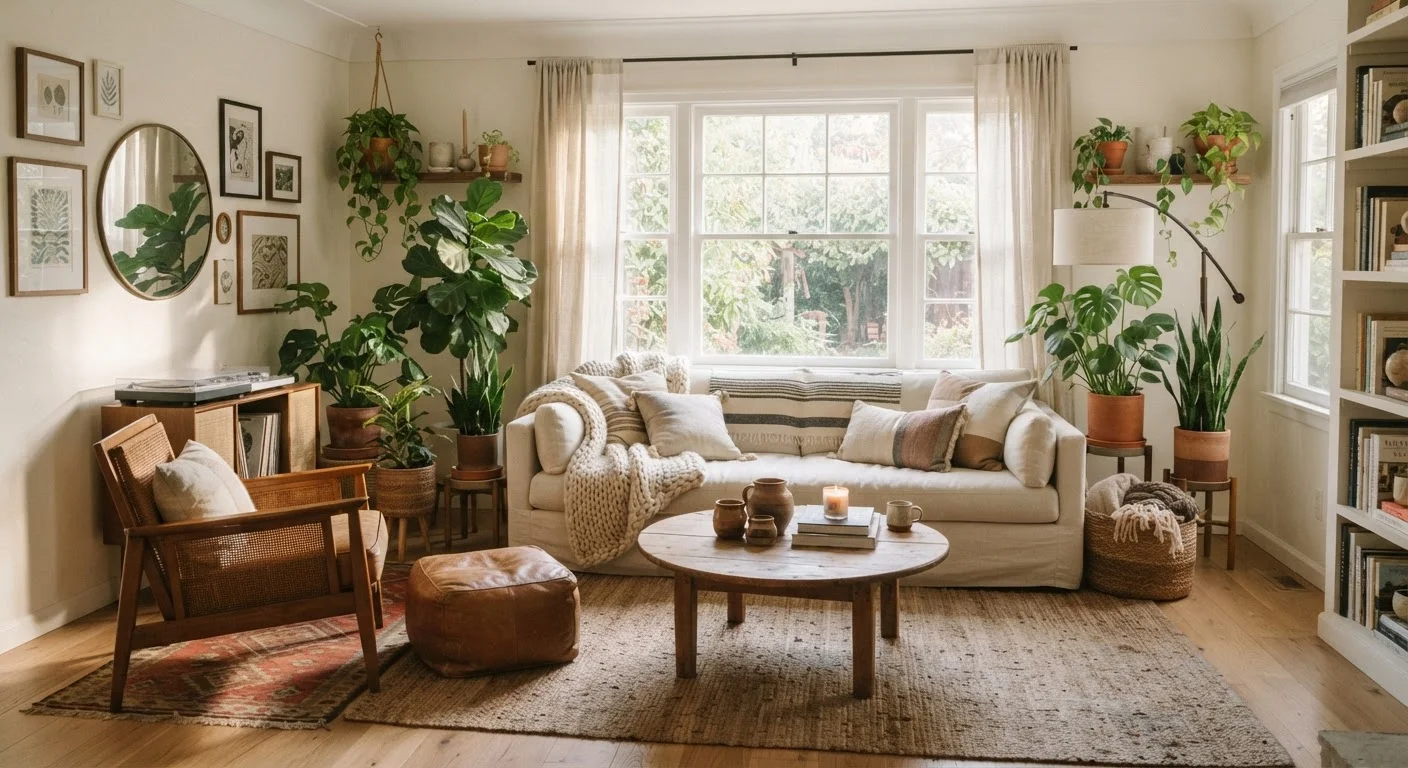
Photo: usewiseguide.com editorial
Key Takeaways
- Spending more on structural items like sofas and mattresses pays off in durability over time.
- Decorative accessories, textiles, and wall art are low-risk categories for saving money.
- Secondhand and thrift sources can supply quality pieces for a fraction of retail prices.
- Paint is one of the highest-impact, lowest-cost tools available for refreshing a room.
- A clear room plan prevents impulse purchases that eat budget without adding cohesion.
The spending framework: structural vs. decorative
Budget decorating fails most often when families apply the same cost-cutting logic to every purchase. A $40 accent lamp and a $400 sofa are not the same kind of decision. The lamp can be swapped out in a year with no consequence; the sofa sits in daily use for a decade or more.
The practical framework is this: allocate more money to items with structural or ergonomic roles, and pull back on purely decorative ones. Structural items include seating, mattresses, dining tables, and storage furniture. These take physical wear and affect how a room actually functions. Decorative items include throw pillows, artwork, curtains, rugs in low-traffic rooms, and most tabletop objects. These shape the feel of a room but are easy and affordable to update.
This framework also protects against the hidden cost of cheap construction. A sofa with a weak frame may fail within two or three years, forcing a second purchase that would have cost less than buying something well-built the first time. See our article on why cutting costs on interior painting often backfires for a concrete example of how saving in the wrong place creates more expense later.
Where to spend: the purchases worth protecting
Spend on seating that will receive daily use.
Invest in a quality mattress before any other bedroom purchase.
Choose lighting fixtures that use standard, replaceable bulbs.
Buy storage furniture that fits the actual dimensions and use pattern of the room.
Where to save: decorative categories with room to cut
Soft furnishings, wall art, and accent pieces are where creative budget work pays off most. Thrift stores, estate sales, and online secondhand marketplaces regularly carry decorative items at a fraction of retail. For a practical guide to what actually translates well from secondhand to stylish, see thrift store finds that work in modern home decor.
Paint is one of the most powerful low-cost tools in home decorating. A single room refresh with quality paint can cost less than one new piece of furniture and changes the character of a space more than almost any accessory purchase. Choosing a lower-cost paint grade, however, tends to require more coats and peels faster, so paint quality is one area where mid-tier spending tends to hold up.
Indoor plants are another low-cost option with outsized visual impact. Many varieties cost just a few dollars and require minimal maintenance. Low-maintenance houseplants that cost almost nothing to grow covers the specific varieties suited to busy households.
Planning before buying: the step that saves the most
Unplanned purchases are where most decorating budgets collapse. Buying a rug that turns out to be the wrong size, a lamp in a color that clashes, or a shelf that does not fit the wall adds up to real waste. As our piece on how disorganization quietly drains your budget makes clear, owning items that do not work in your space has ongoing costs beyond the initial purchase.
Before spending anything, measure the room and photograph it. Write down the specific function each planned purchase needs to serve. Set a fixed total for the room and divide it across categories using the structural vs. decorative framework. For families working with a broader household budget, a plain-language guide to where your money actually goes can help frame home decorating within a realistic spending picture.
One additional cost often overlooked is tools. Buying equipment for a single painting or furniture assembly project rarely makes financial sense. Renting vs. owning tools for home projects walks through when each option saves money.
The content provided on our blog site traverses numerous categories, offering readers valuable and practical information. Readers can use the editorial team’s research and data to gain more insights into their topics of interest. However, they are requested not to treat the articles as conclusive. The website team cannot be held responsible for differences in data or inaccuracies found across other platforms. Please also note that the site might also miss out on various schemes and offers available that the readers may find more beneficial than the ones we cover.