
Why Cheap Paint Jobs End Up Costing More in the Long Run

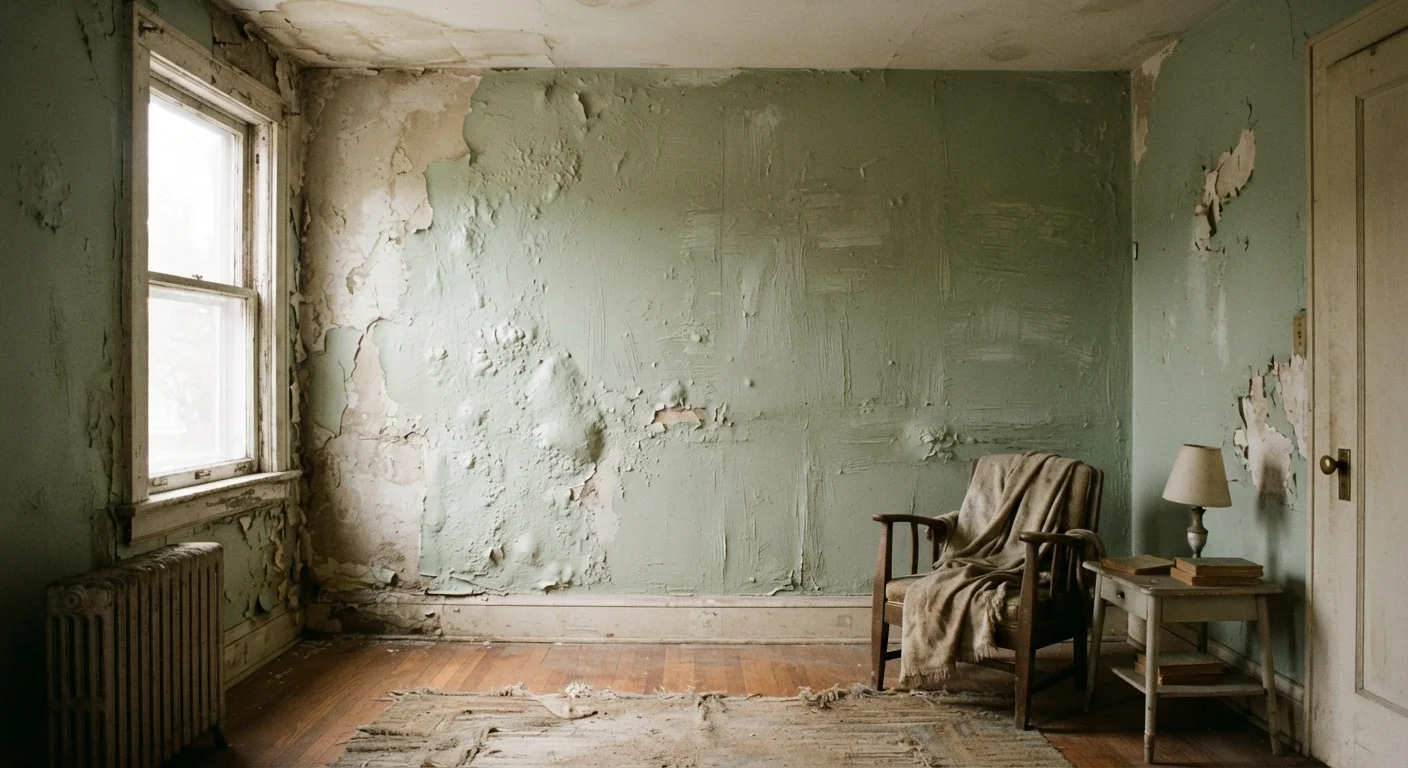
Photo: usewiseguide.com editorial
Key Takeaways
- Skipping surface prep is the single most common reason paint fails within one to two years.
- Low-coverage paint often requires extra coats, erasing any savings from the lower price per gallon.
- Labor is typically 70 to 80 percent of a painting project's total cost, so cutting corners on paint rarely saves much.
- Proper priming and quality application tools reduce the chance of costly touch-ups or full repaints.
- Getting written estimates that specify paint grade, coat count, and prep steps protects you from hidden costs.
The real math behind a low-cost paint job
When a painting quote comes in noticeably lower than others, it is worth asking what has been left out. Labor accounts for roughly 70 to 80 percent of a typical interior painting project's total cost, according to general contractor pricing guides. That leaves paint and materials as the remaining slice, so a contractor who cuts paint quality to win a bid is saving a relatively small amount while creating conditions for an early failure.
A gallon of low-grade paint may cost $15 to $20 less than a mid-grade option. Across a standard living room, that gap is $40 to $60. If the finish scuffs, stains, or peels within 18 months and requires repainting, the total spend over three years can be twice what a single quality job would have cost. See our guide to where spending more actually pays off for a broader look at which home updates are worth the investment.
Skipping surface preparation before applying paint.
Buying paint with low coverage ratings to save upfront cost.
Skipping primer on new drywall, stained surfaces, or dramatic color changes.
Using the wrong sheen for the room's function.
Accepting a verbal estimate without specifying coat count and paint grade.
Painting over moisture-damaged or mold-affected walls without addressing the source.
What to check before hiring a painter
A written estimate that specifies paint grade (not just brand), the number of coats, and the prep steps planned gives you a basis for comparison. If two estimates are far apart in price and both say they will paint the same room, the difference usually lives in one of three places: prep labor, paint quality, or coat count.
Ask specifically whether walls will be cleaned, patched, and primed before any finish coat goes on. A contractor who says primer is unnecessary for a repaint may be saving an hour of labor at the cost of adhesion. On tool choice, renting vs. buying equipment can affect DIY project costs, but for hired work, the contractor should supply appropriate tools without that cost being a reason to skip steps.
Verbal quotes leave room for disputes
The content provided on our blog site traverses numerous categories, offering readers valuable and practical information. Readers can use the editorial team’s research and data to gain more insights into their topics of interest. However, they are requested not to treat the articles as conclusive. The website team cannot be held responsible for differences in data or inaccuracies found across other platforms. Please also note that the site might also miss out on various schemes and offers available that the readers may find more beneficial than the ones we cover.