
Buying Used vs. Buying New: A Realistic Look at When Each Makes Sense for Families

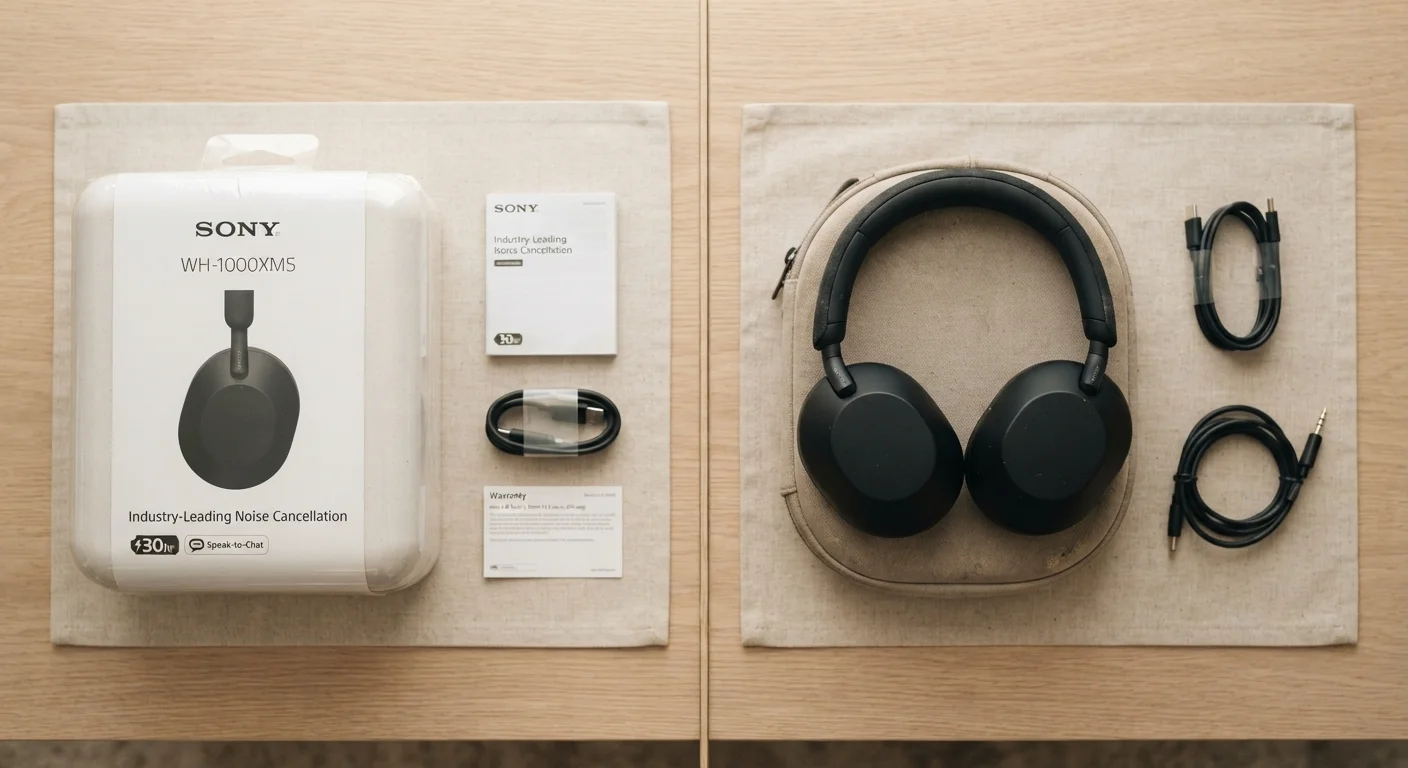
Photo: usewiseguide.com editorial
Key Takeaways
- Used items often save money on vehicles, furniture, books, and tools, where depreciation or wear is predictable.
- New purchases make more sense for safety gear, mattresses, car seats, and items where hygiene or hidden damage is a real concern.
- The right choice depends on category, condition, and how long you plan to keep the item.
- Warranties, return policies, and inspection options shift the calculus in either direction.
- No single rule applies across all categories: matching the strategy to the purchase type produces the best results.
Why the used-vs-new decision is not one-size-fits-all
Plenty of budgeting advice treats secondhand shopping as universally wise, and treating everything new as wasteful. Neither framing holds up across the full range of household purchases. A used car seat or a mystery-condition mattress can cost a family far more than the sticker savings suggest. A used couch from a reputable source can save hundreds with zero downside.
The better question is not "used or new?" but "which categories reward each strategy?" That depends on depreciation rates, safety considerations, how easy it is to assess condition, and whether a defect can be spotted before purchase or only after it causes a problem.
Before any major purchase, it also helps to run a quick check on whether you actually need the item at all. The pre-purchase checklist is a useful tool for that step.
Categories where used tends to make sense
Vehicles. A new car loses a significant portion of its value in the first year or two. A used vehicle with a clean history report and a pre-purchase inspection from an independent mechanic carries much of the same transportation value at a lower price. For more on keeping those costs in check after purchase, see the guide to reducing auto ownership costs.
Furniture. Solid wood tables, metal bed frames, and upholstered pieces in good condition hold up well secondhand. Scratches are visual, structural damage is usually visible, and a thorough cleaning handles surface concerns. Estate sales, thrift stores, and community marketplaces are reliable sources.
Books, board games, and media. Content does not degrade with a previous owner. Used children's books and games are among the most straightforward secondhand purchases a family can make.
Specialty and seasonal tools. A camping tent used a handful of times per year, or a hand tool for a one-time project, rarely needs to be new. Renting vs. owning tools is worth reading if the item would sit unused most of the year.
| Category | Used | New | |
|---|---|---|---|
| Vehicles | Strong value after depreciation | High first-year cost drop | |
| Furniture | Good value, inspect in person | Higher cost, less depreciation risk | |
| Car seats / helmets | Not recommended, safety risk | Recommended, verifiable history | |
| Mattresses | Hygiene concerns, hard to assess | Return windows reduce risk | |
| Books and games | Excellent value, no quality loss | Unnecessary premium in most cases | |
| Electronics | Riskier without warranty | Warranty and return protection | |
| Specialty tools | Good for occasional use | Only worth it for frequent use |
Categories where new tends to make sense
Car seats and bike helmets. Both have expiration dates and can be compromised by impacts that leave no visible mark. A car seat from an unknown history cannot be verified as safe. This is one area where the premium for new is not optional for most families.
Mattresses. Allergens, mold, and wear patterns that affect sleep quality are difficult to assess secondhand. A new mattress with a return window is a lower-risk purchase than a used one, even at a higher price.
Electronics with no return history. A phone, laptop, or appliance bought used from a private seller comes with no warranty and no recourse if it fails. Certified refurbished items from manufacturers or authorized resellers occupy a middle ground: they often include limited warranties and have been tested, which changes the risk profile compared to casual secondhand sales.
Anything involving complex hidden components. HVAC units, water heaters, and built-in appliances can have worn internal parts that fail shortly after purchase. Unless a used unit comes with documentation and professional inspection, the risk of an early replacement can erase the savings.
How to evaluate a used item before buying
Condition assessment is the skill that makes secondhand shopping pay off. For furniture and clothing, inspect in person when possible. For vehicles, a pre-purchase inspection by an independent mechanic (not the seller's shop) is worth the cost. For electronics, test every function before handing over money.
Ask about the reason for sale. Ask for any available documentation: receipts, manuals, maintenance records. A seller who cannot answer basic questions about an item's history is a signal, not a guarantee, but worth noting.
For families teaching kids about spending decisions alongside these purchases, the needs vs. wants conversation can turn a shopping trip into a practical money lesson.
The middle ground: refurbished and open-box
Refurbished and open-box items sit between new and used. Manufacturer-refurbished products have typically been tested, repaired to a standard, and often come with a limited warranty. Open-box items are usually returns that have been inspected and repackaged.
These categories work well for electronics, small appliances, and fitness equipment. The key question is who did the refurbishing and what warranty applies. A manufacturer-refurbished laptop carries less risk than one refurbished by an unknown third party with no return policy.
Families who follow the smart auto ownership approach to vehicles will recognize the same logic: documented history and a clear warranty structure reduce the guesswork on any major purchase, new or used.
Grocery and food decisions follow a parallel pattern. The organic vs. conventional produce comparison shows how weighing real tradeoffs, rather than defaulting to a rule, produces better outcomes category by category.
The content provided on our blog site traverses numerous categories, offering readers valuable and practical information. Readers can use the editorial team’s research and data to gain more insights into their topics of interest. However, they are requested not to treat the articles as conclusive. The website team cannot be held responsible for differences in data or inaccuracies found across other platforms. Please also note that the site might also miss out on various schemes and offers available that the readers may find more beneficial than the ones we cover.