
Seasonal Vehicle Checks Every Driver Should Know

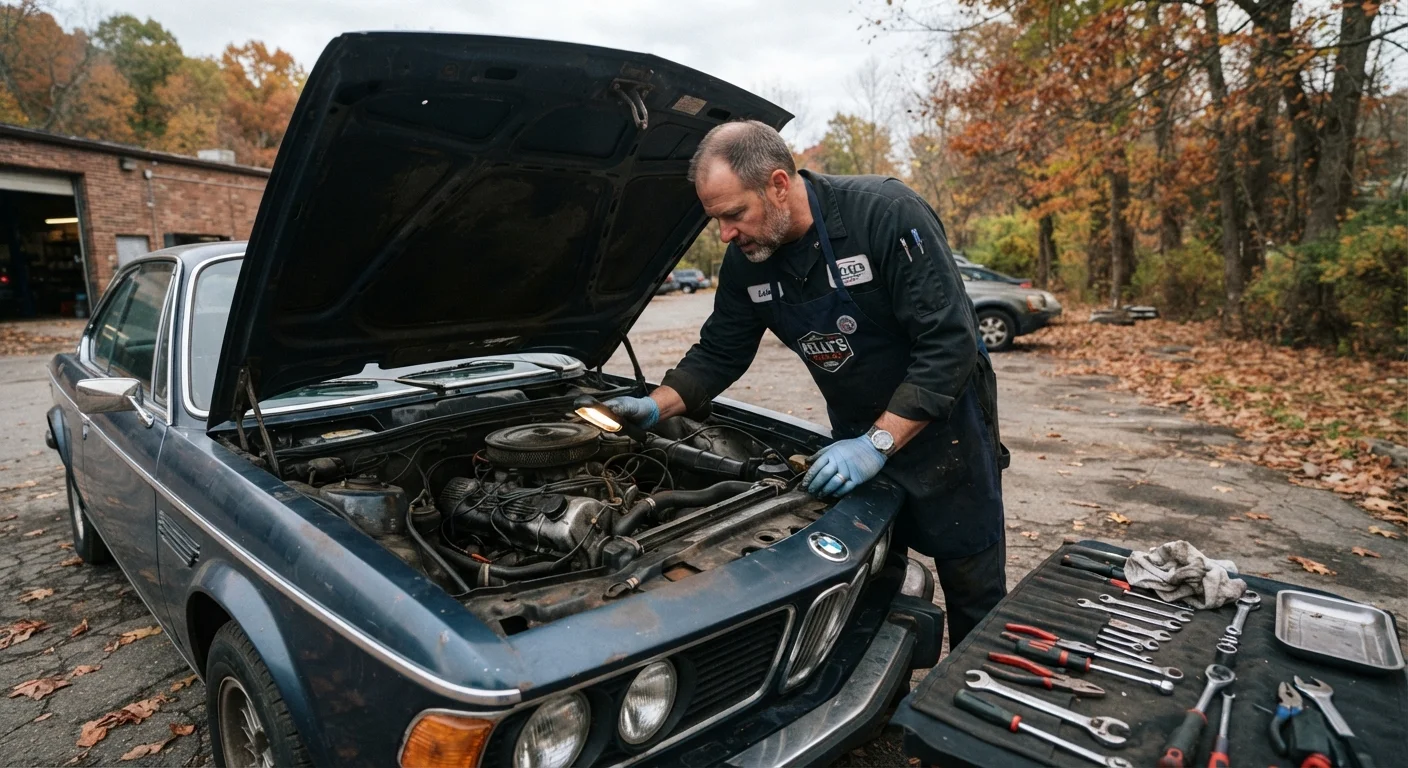
Photo: usewiseguide.com editorial
Key Takeaways
- Temperature extremes stress batteries, tires, and fluids in predictable ways you can prepare for.
- Most seasonal checks take under an hour and require no special tools.
- Catching a worn wiper blade or low coolant before a season change costs far less than a roadside repair.
- Tire pressure drops roughly one PSI for every 10-degree Fahrenheit drop in air temperature.
- Brake inspection frequency should increase if you drive in regions with heavy winter road salt use.
Why seasonal checks cut ownership costs
Your car faces a different set of stresses in January than it does in July. Cold temperatures thicken engine oil, shrink tire pressure, and drain battery reserves. Summer heat accelerates coolant breakdown, bakes rubber components, and pushes air conditioning systems hard. Treating your car as a single constant system year-round means you will always be slightly behind the conditions it is actually operating in.
Seasonal checks are not about buying new parts on a calendar schedule. They are about inspecting systems at the moments they are most likely to fail, so you can address a $15 issue before it becomes a $400 one. This approach fits directly into the broader goal of lowering what your car costs to own over time.
The five checks below cover the systems most affected by seasonal change. Each one is general enough to apply across most passenger cars and light trucks, but always cross-reference your owner's manual for vehicle-specific intervals and specs.
Battery load test before cold weather arrives
Car batteries lose a significant share of their cranking power as temperatures drop. A battery that performs adequately at 70 degrees Fahrenheit may not have enough reserve to start a cold engine on a January morning. Most auto parts stores will perform a free battery load test, which checks whether the battery can deliver adequate current under simulated starting conditions.
A battery older than three to four years warrants testing every fall regardless of how it behaved over the summer. Record the test result and date so you have a baseline for the following year.
A battery that starts fine in summer may fail completely at 10 degrees Fahrenheit.
Tire pressure and tread depth at each season change
Tire pressure drops roughly one PSI for every 10-degree Fahrenheit drop in ambient temperature. A tire correctly inflated at 35 PSI in October could read 30 PSI by February in a cold-weather state, affecting handling, braking distance, and fuel economy. Check pressure with a quality gauge when tires are cold, and inflate to the placard specification on the driver's door jamb, not the maximum listed on the tire sidewall.
Tread depth matters most heading into fall and spring, when wet roads are common. The penny test (insert a penny into the tread groove with Lincoln's head pointing down: if you can see the top of his head, the tread is below 2/32 inch and the tire should be replaced) gives a quick go/no-go reading. A quarter gives you more margin, flagging tires below 4/32 inch.
Correct tire pressure improves fuel economy and braking, two gains that cost nothing.
Coolant concentration check before summer and winter
Engine coolant (also called antifreeze) does two jobs: it prevents the coolant from freezing in winter and prevents it from boiling over in summer. Over time, the corrosion inhibitors in coolant degrade even if the fluid level stays constant, which can lead to internal rust and water pump damage. An inexpensive test strip or a refractometer can check both the freeze protection level and the condition of the fluid in about two minutes.
Most manufacturers recommend a coolant flush on a mileage or time interval. Check your owner's manual for the specific schedule. If you live in a region with extreme summer heat or winter cold, staying current on this interval is worth the attention.
Old coolant with depleted inhibitors can corrode your engine from the inside, invisibly.
Wiper blades and washer fluid heading into fall
Wiper blades are one of the most ignored wear items on a car until they fail during a rainstorm. Rubber deteriorates from UV exposure and temperature cycling. A blade that streaks or skips even on a wet windshield in dry conditions will perform worse when it matters. Most blades have a usable life of six to twelve months depending on climate and sun exposure.
Washer fluid also deserves attention before temperatures drop. Plain water in the reservoir will freeze and can crack the reservoir or lines. Use a fluid rated for the lowest temperatures you expect in your area. In northern states, a fluid rated to minus 20 or minus 30 degrees Fahrenheit is a reasonable choice.
A $15 pair of wiper blades costs far less than the stress of driving blind in a downpour.
Brake inspection after a winter of road salt
Road salt accelerates corrosion on brake rotors, calipers, and brake lines. In regions that use salt or sand heavily, a visual inspection of brake components each spring is worth doing. Look for scoring on rotor surfaces, uneven pad wear, and visible rust build-up on caliper hardware. Brake fluid also absorbs moisture over time, which lowers its boiling point and can cause spongy pedal feel under hard braking.
Brake systems are safety-critical. If you see uneven wear, hear grinding, or feel any pulsation in the pedal, have a qualified mechanic inspect the system before driving the vehicle further. This is one area where deferring an inspection to save money can create a much larger safety and financial problem.
Salt-belt drivers should inspect brake lines every spring, not just every few years.
Putting it into practice
Track what you find, not just what you do
A seasonal check is most useful when it is actually recorded. Keep a simple log in the glove box or a notes app with the date, mileage, and what you found. That record helps you spot patterns (a battery that needed a charge two winters in a row is telling you something) and gives a mechanic useful context if a problem develops. For a deeper look at how manufacturer intervals connect to these checks, see the plain-language guide to your car's maintenance schedule.
If you are unsure whether a specific task is within your skill level, this breakdown of DIY versus shop decisions can help you decide when a professional is the right call. Some inspections, like visually checking tire tread or testing wiper blades, genuinely take two minutes. Others, like a brake pad measurement, call for more care and the right tools.
This article is for general informational purposes only. Always consult your vehicle's owner's manual and, for complex repairs or safety-critical systems, a qualified mechanic before performing or deferring any maintenance.
The content provided on our blog site traverses numerous categories, offering readers valuable and practical information. Readers can use the editorial team’s research and data to gain more insights into their topics of interest. However, they are requested not to treat the articles as conclusive. The website team cannot be held responsible for differences in data or inaccuracies found across other platforms. Please also note that the site might also miss out on various schemes and offers available that the readers may find more beneficial than the ones we cover.