
Protein Sources That Cost Far Less Than Meat

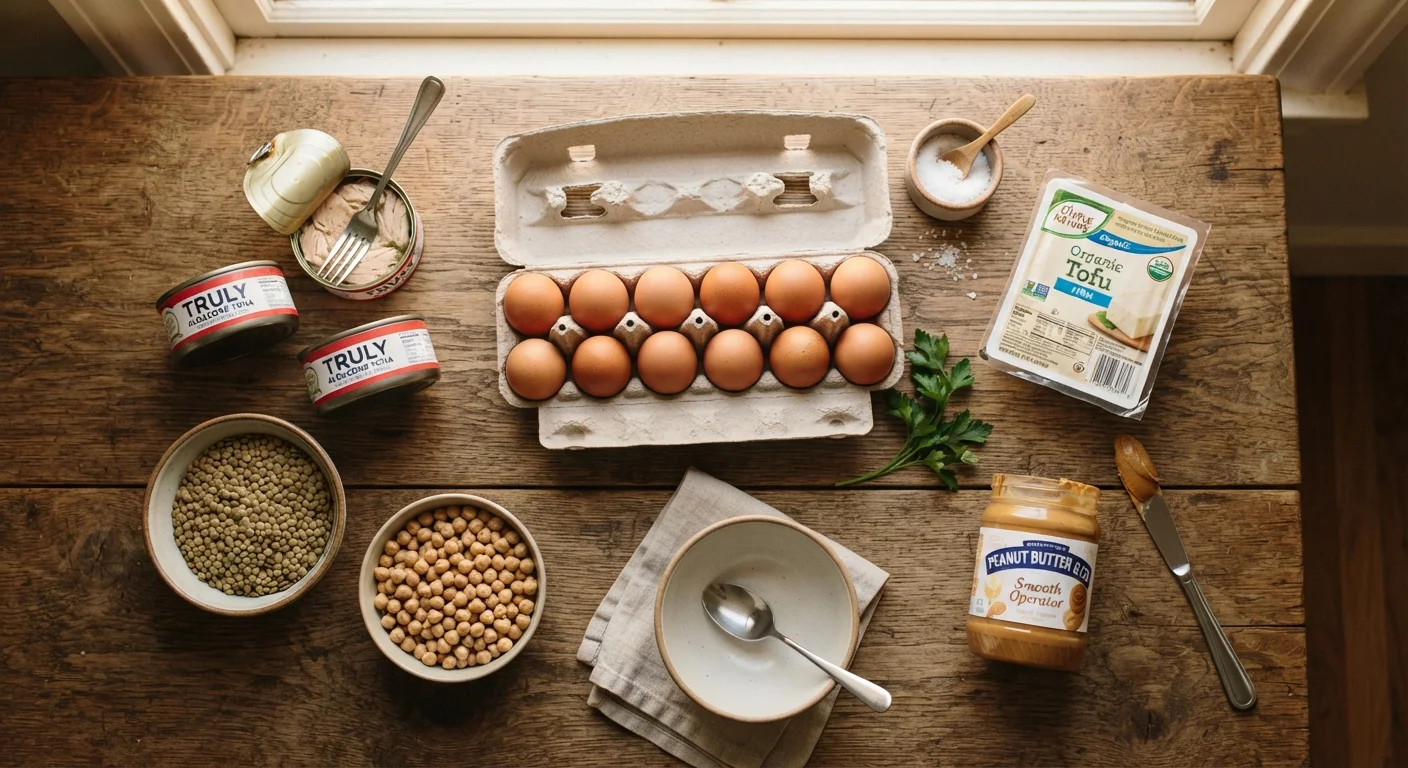
Photo: usewiseguide.com editorial
Key Takeaways
- Dried legumes like lentils and chickpeas often cost under a dollar per pound and provide substantial protein per serving.
- Eggs remain one of the most affordable complete protein sources available at most grocery stores.
- Canned fish packs high-quality protein and healthy fats without requiring refrigeration until opened.
- Plant proteins pair well with whole grains to cover the full range of essential amino acids across a day.
- Rotating several low-cost protein sources keeps meals varied and reduces dependence on expensive cuts of meat.
- Buying dried beans, lentils, and grains in bulk stretches a grocery budget further than buying canned equivalents.
Why protein costs more than it needs to
Protein is the grocery category where many families overspend without realizing it. A pound of ground beef or chicken breasts costs several times more per gram of protein than alternatives sitting on the same store shelves. When meat anchors every dinner, the weekly grocery bill climbs fast.
The good news is that protein comes from many sources, and the body processes the protein in eggs or lentils just as usefully as the protein in a steak. Building meals around lower-cost sources a few nights per week can trim spending without cutting nutrition. If you are working through where your food budget actually goes, the plain-language family budget guide is a practical place to start.
The seven sources below are widely available, easy to cook, and genuinely filling. Each one works well in family-style meals.
Eggs
A dozen eggs typically costs less than a pound of ground beef, yet each egg contains about 6 grams of complete protein along with vitamins B12 and D, choline, and healthy fats. Complete protein means eggs supply all nine essential amino acids the body cannot produce on its own.
Scrambled, hard-boiled, baked into frittatas, or folded into fried rice, eggs adapt to nearly any meal. Hard-boiled eggs also work as a portable protein snack that requires almost no prep time.
Each egg delivers complete protein with all nine essential amino acids at minimal cost per serving.
Dried lentils
Lentils are among the most nutrient-dense foods per dollar in a grocery store. One cup of cooked lentils contains roughly 18 grams of protein along with fiber, iron, and folate. Dried lentils require no soaking and cook in about 20 minutes, making them faster than most dried beans.
Red lentils break down into a creamy texture suited to soups and dals. Green and brown lentils hold their shape and work well in grain salads or as a base for veggie burgers. Buying a 2-pound bag dried rather than canned cuts the cost per serving significantly.
One cup of cooked lentils contains roughly 18 grams of protein and cooks in about 20 minutes.
Canned chickpeas
Chickpeas (also called garbanzo beans) provide about 15 grams of protein per cooked cup along with fiber that supports steady energy. Canned chickpeas are already cooked, so they add protein to a meal in seconds. Roasting them in the oven with olive oil and spices turns them into a satisfying crunchy snack.
They work in curries, stews, pasta dishes, and tacos. Blended with lemon, garlic, and tahini, they become hummus, which is a protein-rich spread that many kids enjoy with vegetables or whole-grain bread.
Canned chickpeas are already cooked, so they add protein to a meal in seconds.
Canned tuna and sardines
Canned tuna is one of the most concentrated and affordable protein sources at most grocery stores, with a single can typically providing 20 to 25 grams of protein. Sardines are similarly protein-dense and also supply omega-3 fatty acids and calcium (when eaten with bones).
Both fish require no cooking and store well in the pantry for months. Tuna works in salads, pasta, and wraps. Sardines mashed on whole-grain crackers with a squeeze of lemon make a fast, filling lunch.
A single can of tuna typically provides 20 to 25 grams of protein with no cooking required.
Dried black beans and kidney beans
Black beans and kidney beans both deliver around 15 grams of protein per cooked cup. Dried versions cost a fraction of canned, and a one-pound bag yields multiple family-sized servings. Both varieties require soaking overnight and then simmering for one to two hours, but cooking a large batch and freezing portions in two-cup containers makes future meals fast.
Black beans go into rice bowls, tacos, and quesadillas. Kidney beans work in chili, soups, and hearty salads. Either one adds protein and fiber to a dish without changing the flavor profile significantly.
Freezing cooked beans in two-cup portions means future high-protein meals take only minutes to assemble.
Plain Greek yogurt
Plain Greek yogurt provides about 17 grams of protein per cup. It also contains probiotics, calcium, and B vitamins. Store-brand versions cost considerably less than flavored options and allow families to control added sugar by sweetening it with fresh fruit or a small drizzle of honey at home.
As a cooking ingredient, plain Greek yogurt replaces sour cream in dips, dressings, and baked goods. It thickens smoothies and works as a protein-rich base for overnight oats when the budget does not stretch to other proteins that week.
Plain Greek yogurt provides about 17 grams of protein per cup and doubles as a sour cream substitute.
Peanut butter and other nut butters
Two tablespoons of peanut butter supply around 7 to 8 grams of protein along with healthy fats and vitamin E. Natural peanut butter (with no added oil or sugar) is typically the most affordable nut butter option. Sunflower seed butter is a practical choice for households with peanut allergies.
Spreading peanut butter on whole-grain bread, stirring it into oatmeal, or blending it into sauces for noodle dishes adds protein to a meal with almost zero prep. It is also one of the few high-protein foods that children consistently enjoy without negotiation.
Two tablespoons of peanut butter add 7 to 8 grams of protein with almost zero prep time.
Making these proteins work in your weekly meals
The biggest barrier to using legumes and eggs more often is not cost or nutrition. It is not knowing what to cook. Lentil soup, chickpea tacos, egg fried rice, and tuna pasta are all fast weeknight options that most families already have the pantry staples for. Pairing legumes with whole grains across a day covers the full range of essential amino acids without any complicated planning. See which whole grains to stock on a budget for grains that complement these proteins well.
Cook beans in bulk and freeze them
Meal planning makes this easier. Cooking a large batch of lentils or chickpeas on Sunday means protein is ready to drop into salads, soups, or grain bowls on busy weeknights with no extra prep. The meal planning on a tight budget guide walks through how to turn that habit into consistent grocery savings. Keeping these proteins stocked is also easier with a organized pantry. The stocked pantry checklist covers the staples worth having on hand.
This article is for general informational purposes only and is not medical or nutritional advice. Consult a registered dietitian or qualified healthcare professional before making significant changes to your diet, particularly if you have a health condition or specific dietary needs.
The content provided on our blog site traverses numerous categories, offering readers valuable and practical information. Readers can use the editorial team’s research and data to gain more insights into their topics of interest. However, they are requested not to treat the articles as conclusive. The website team cannot be held responsible for differences in data or inaccuracies found across other platforms. Please also note that the site might also miss out on various schemes and offers available that the readers may find more beneficial than the ones we cover.